 Newshot
Victoria University lecturers steer students away from AI use in education
Audio player for "English lecturer says students have been sold an AI con" removed for printing
Visit page to play audio: https://www.rnz.co.nz/news/eyJhbGciOiJIUzI1NiJ9._v0.KrRTFtoPsaA8nSDloPZ4KejQJr59ANQpD9ULgGwzaM0/education/2618219%2Fvictoria-university-lecturers-steer-students-away-from-ai-use-in-education
English lecturer says students have been sold an AI con
An English lecturer says students have been sold a "con job" that artificial intelligence can do their work for them.
Academics are bringing back in-person testing, oral exams and community, as they rethink what tertiary education looks like in the age of AI.
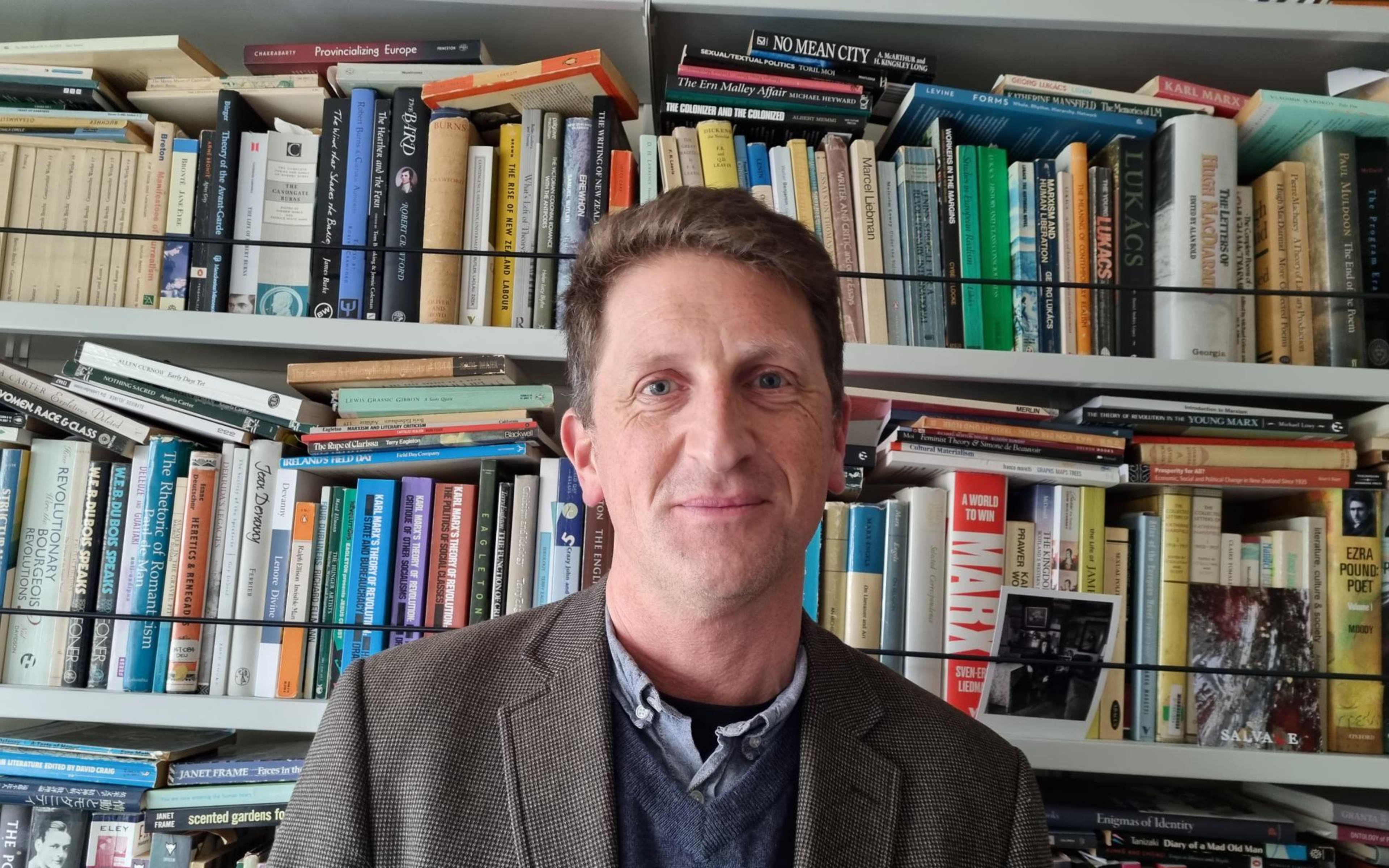
Victoria University of Wellington senior lecturer Dougal McNeill said he felt it was his obligation to make clear to students they were "ripping themselves off", if they outsourced their education to AI.
"They've been sold this con job by the AI lobby and the AI industry that the computers can do it better for them."
He stressed he did not feel the students were responsible for this, saying students might feel pressured to use 'large language models', due of a lack of time or confidence.
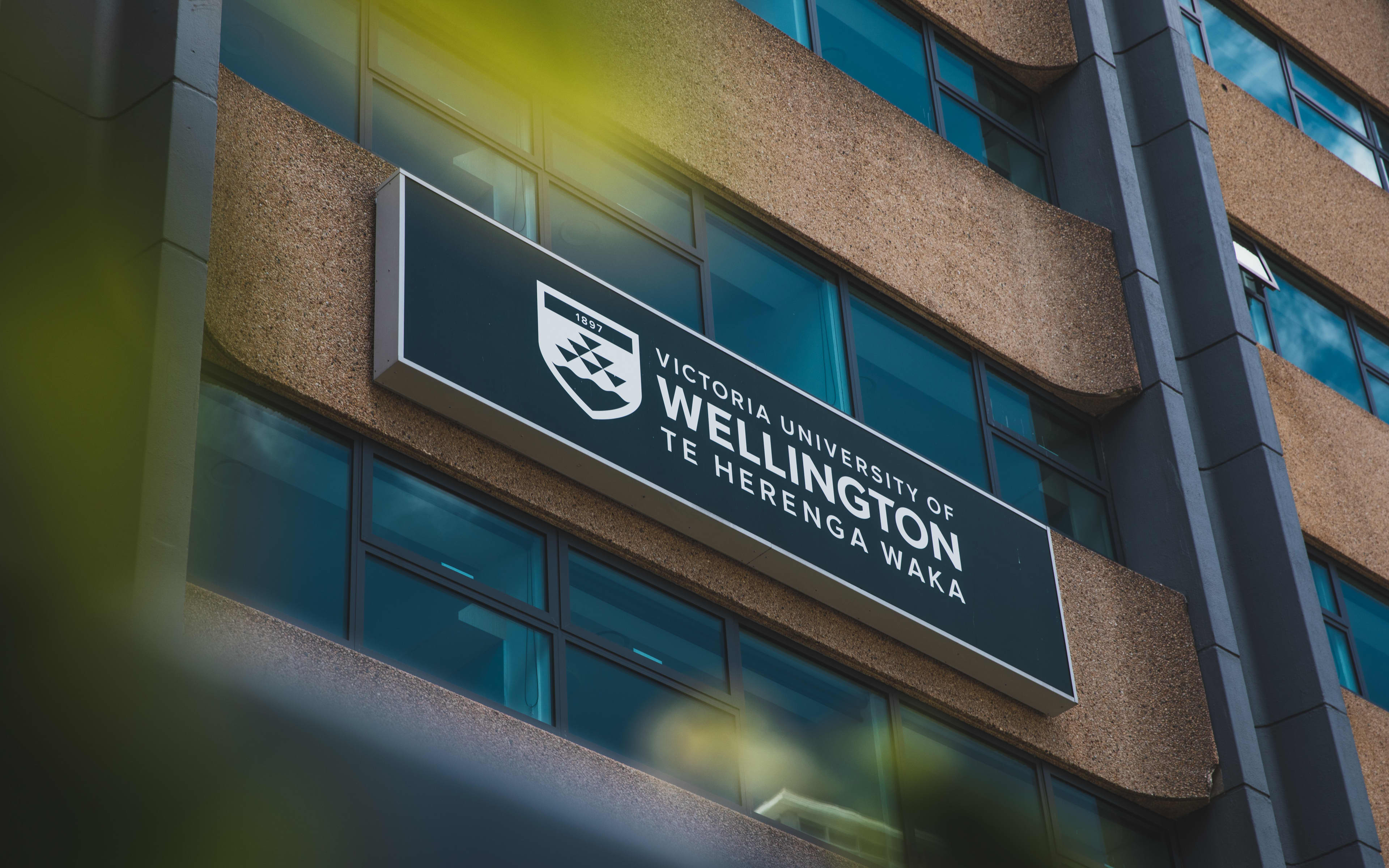
Victoria University is among many institutions around the world having to re-asses their methods around AI.
RNZ / Samuel Rillstone
He said many students had instead deliberately turned away from AI, following a "real hunger for human connection".
"I've had some of the most exciting classroom experiences in the last couple of years."
Professor of Biotechnology David Ackerley said the top students were as good as they had ever been, but more students who would have failed before AI could "scrape a pass".
He said repetitive rote learning created a solid foundation for knowledge and expertise that would not serve students to outsource to AI, but students would have to weigh the trade-off, as some felt disadvantaged, if they didn't use it.
Dr Francesca Benocci, a member of the university's AI working group, said students had reported concern over the long-term impacts on their learning and skills, with many feeling guilt, stress and reduced confidence.
For Professor Nikki Hessel, this was a main concern - the message AI was sending about the value of her students' voices.
"I really do try to encourage them to take the chance on their own voice to believe in themselves, to think that they are worth something in the world and that people want to hear from them."
She said assignments generated by AI were "boring" and had a "bland sameness", because LLMs only predicted the next most likely word, rather than creating an argument.
Hessel compared university work to lifting weights at a gym with a forklift - the point wasn't to move the weights around, but strengthening the actual muscles.
"They're paying a lot of money, they're investing a lot of time. There's no point coming out at the end of that with no skills."
Senior ethnomusicology lecturer Kimberly Cannady added that students would be further disadvantaged when securing jobs, if employers could not bank on a university degree guaranteeing critical thinking and communication skills.
She said creativity and expression would continue to be vital skills to communicate with others.
"It's a fallacy to think generative AI can write books now, so do we need authors?"
Acting deputy vice chancellor Professor Stephen Marshall said many universities were grappling with AI, with "interim" solutions like changing assessments to oral exams or in-person marking.
He was sceptical assessments accurately reflected student learning, with too many students seeing a grade as the goal of education.
Instead, for a long-term solutions, he argued for more connection between people.
"The great discovery of coming to university, to higher education, is that the thing you're passionate about is not a thing that you do by yourself. It's something that you can share with other people and feed off their passion for it as well."
He said AI could be a part of that - it was simply about learning how to use it as an effective tool.
In fact, AI senior lecturer Dr Andrew Lensen said artificial intelligence helped many students constructively.
"You think of students for whom English is not their first language or students who have different learning needs, or learn differently than or better in non-classroom settings, these tools can be really useful for them."
He remained wary of the threat AI posed to deskilling students, especially due to the many incentives to use it.
"It's very hard to tie using it one day to the effect it might have on the way you think, or the way you understand the world in a month or two, or a few years down the line."
He said universities needed to re-invent themselves to produce graduates capable of navigating AI trade-offs.