 Newshot
Article title: Starting at 339,900 yuan for a 400V front-wheel-drive car with an 8-second 0-100 km/h time — the all-electric Lexus ES is overpriced
Body:
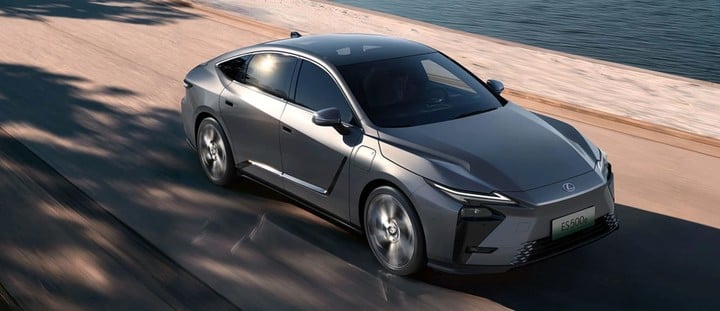
Starting at 339,900 yuan for a 400V front-wheel-drive car with an 8-second 0-100 km/h time — the all-electric Lexus ES is overpriced
2026-11-23 16:17
On November 22, the all-new generation Lexus ES pure electric version was officially launched, with the ES 350e long-range version starting at 339,900 yuan and the ES 500e high-performance version starting at 359,900 yuan.
If you add the official 36,000 yuan "Executive Premium Package" and the 5,200 yuan personalized color scheme, the ES 350e's price approaches 380,000 yuan, while the ES 500e directly touches the 400,000 yuan threshold.
The same-generation hybrid ES 300h, launched in April this year, starts at 299,900 yuan, 40,000 yuan cheaper than the ES 350e.
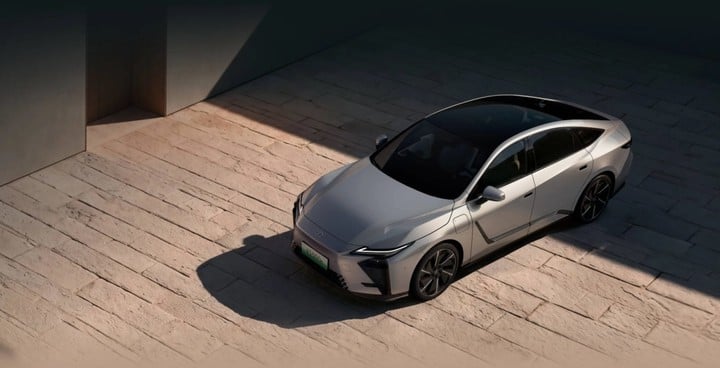
This is the first time in the 37 years since the ES line was born in 1989 that a pure electric powertrain has been offered, but what Lexus has delivered is an answer sheet priced and built entirely according to the logic of the combustion engine era.
In many ways, this is very Lexus
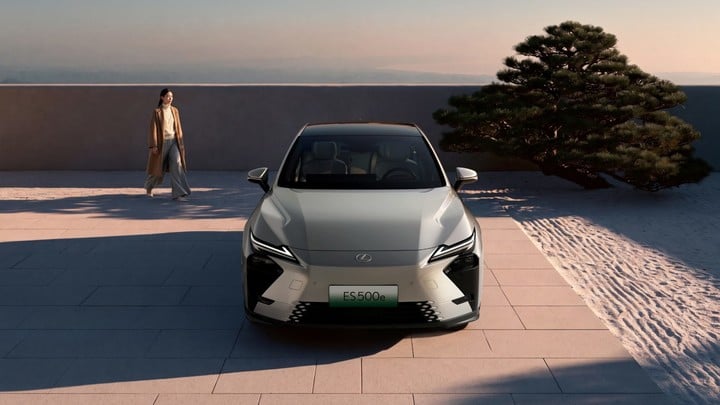
The ES pure electric version is indeed a car that is very Lexus in every respect.
In terms of dimensions, the ES pure electric version is 5140mm long with a 2950mm wheelbase, still in the familiar executive sedan league.
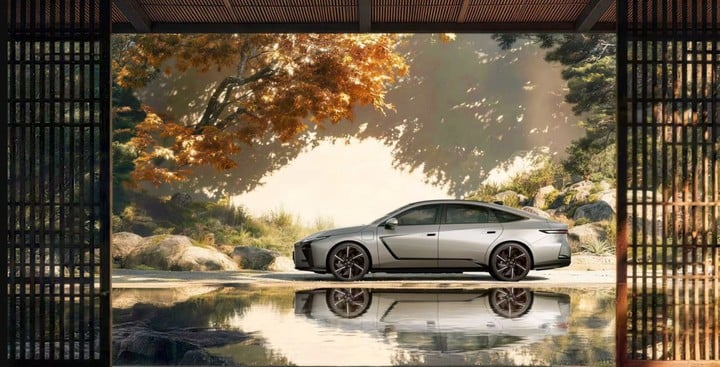
Inside, the ES pure electric version still adopts Lexus's customary Oriental luxury atmosphere, with an overall "bamboo forest" concept, using green bamboo interior trim, bamboo-rhythm translucent trim panels and bamboo-rhythm fragrance in the cabin.
You can even see a large dual-screen setup made up of two 14-inch screens in the front row, and Lexus also says that this time they have used a localized multimedia system, with Mark Levinson audio also present.
Measured by the standards of Japanese cars, the interior look of this ES pure electric version is already above average.
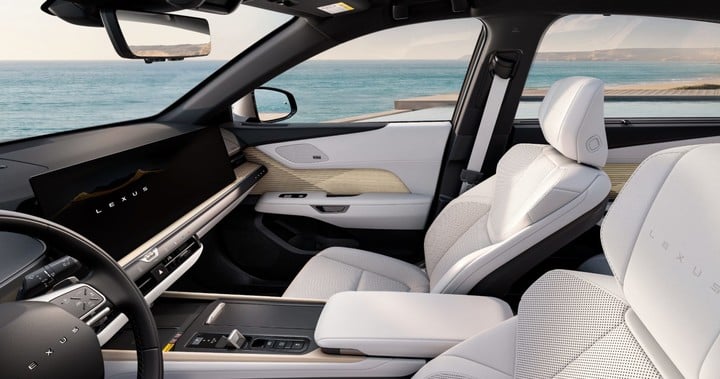
In addition, the ES pure electric version comes standard with a front-row knee infrared heating system. According to Lexus's own wording, this system "has warmth without airflow, avoiding dryness from direct blowing" — Lexus has still put some thought into comfort details.
In terms of energy consumption control, the ES 350e, relying on a 74.6kWh CATL ternary lithium battery, achieves a CLTC range of 707km, with a minimum energy consumption of 12.2kWh per 100km, while also supporting 3500W external discharge.
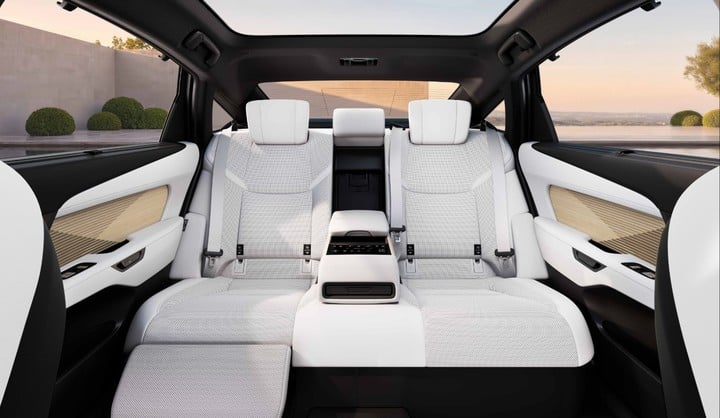
In the rear, the ES pure electric version's rear seats support heating, ventilation and massage, and the rear right seat has leg support, which, combined with the reclining backrest, can more or less produce a "zero-gravity seat" effect.
However, this rear seat configuration is entirely included in the 36,000 yuan "Executive Premium Package."
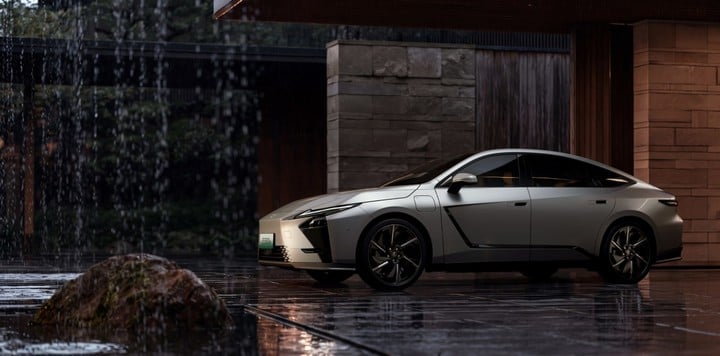
Setting aside the cabin, in terms of architecture and powertrain, this ES pure electric version is also very Lexus — of course, the less good side of that.
The ES pure electric version is built on an upgraded GA-K platform compatible with both hybrid and pure electric, adopts a 400V voltage architecture across the lineup, and the 74.6kWh battery pack supports a maximum DC fast charge of only 105kW.
In the officially published figures, charging from 30% to 80% takes 23 minutes, which, at the end of 2026 when 800V ultra-fast charging routinely delivers 10-minute-level replenishment, is already slower by more than one step.
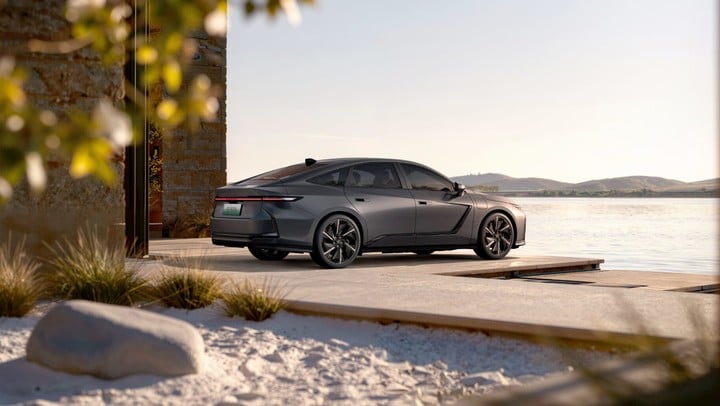
The long-range version bearing the "350e" badge uses a 165kW, roughly 224-horsepower front-mounted single motor, paired with front MacPherson suspension, with a 0-100 km/h acceleration of about 8.0 seconds and a top speed limited to 160km/h.
Spending 339,900 yuan on a front-wheel-drive MacPherson pure electric car that does 0-100 km/h in 8 seconds, placed in today's Chinese market, is hard not to make one feel dazed.
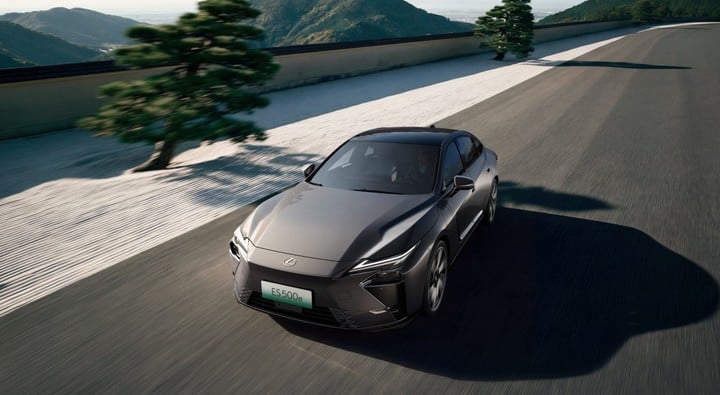
As for the ES 500e, which costs 20,000 yuan more and is the top trim officially crowned the "high-performance version," this DIRECT4 dual-motor all-wheel-drive system has a combined power of only 252kW, about 338 horsepower, with a 0-100 km/h acceleration of 5.5 seconds.
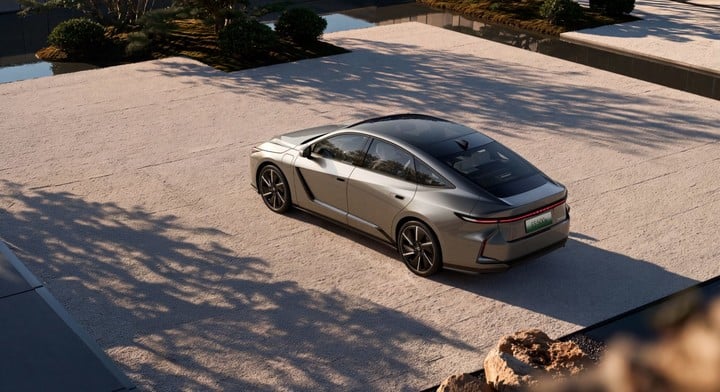
If being equipped with dynamic rear-wheel steering redeems some face to a certain extent, then equipping this ES 500e, which is still positioned as an executive model, with IMD interactive simulated manual shifting is truly baffling.
The high performance that an executive sedan pursues comes from the calm stability of surging power delivered steadily, and composure at high-speed cruising. Equipping the ES 500e, a pure electric model pursuing smoothness and quietness, with simulated manual shifting, I can't help but ask: what on earth are you simulating it for?
There is likewise no surprise on the intelligence front: the standard LSS+ 4.0 across the lineup is a fairly conventional L2-level driver assistance system, with no lidar and no urban navigation assistance.
At the 350,000 to 400,000 yuan price point, consumers might still accept a gasoline car being "not very smart," but it is hard to tolerate a pure electric car that has neither advanced intelligent driving nor standout performance in areas such as replenishment and handling.
It can't beat the 300h internally, and it can't beat domestic pure electrics externally
If we look back at the Japanese home market, the all-new generation ES's hybrid version ES 350h and the front-wheel-drive pure electric version ES 350e both start at 7.9 million yen, essentially parallel options at "the same price for two cars," and the all-wheel-drive version ES 500e is priced at only 8.3 million yen.
In China, however, Lexus has not brought in the ES 350h, which creates the awkward situation where the pure electric ES 350e's starting price is 40,000 yuan higher than the hybrid version ES 300h.
And this 40,000 yuan does not buy a generational-level experience gap.
The 299,900 yuan ES 300h likewise has a 5140mm length, 2950mm wheelbase and the same cabin design, with a combined system power of 145kW, WLTC combined fuel consumption as low as 4.39L/100km, and it doesn't require hunting for a charging pile or waiting for that not-fast-enough fast charge.
Even if you add the 12,000 yuan "Comfort Front Passenger Package" or the 30,000 yuan "Multi-Sensory Pure Enjoyment Package" to the ES 300h, its price and practicality still firmly outclass the pure electric version.
Not to mention what you can buy with this 300,000-plus yuan budget in China's pure electric mid-to-large sedan market at the end of 2026.
In the 329,800 to 369,800 yuan range, the Stelato S9 pure electric version already offers a 100kWh battery, an 800V platform, and Huawei Qiankun intelligent driving with 4 lidars plus air suspension.
And the SU7 Max, which comes with the "Xiaomi full suite," has a car-home ecosystem the ES pure electric version cannot match, along with genuinely "high-performance" 3-second-class acceleration.
Such examples are too numerous to list, but what is certain is that, against the current Chinese sedan standard of almost universal 800V, 100-degree large batteries, advanced intelligent driving and air suspension as a baseline, the pure electric ES will find it hard to achieve much.
The imported pure electric ES is merely a transitional product
Does Lexus not know how fiercely competitive the Chinese market has become? Presumably it does. The imbalance in the pure electric ES's pricing and specifications is largely constrained by the transitional period it finds itself in.
On the one hand, the upgraded GA-K platform essentially still has to accommodate both combustion and electric layouts, and the ceiling on physical space and electrical architecture means it is inherently difficult to stuff in a nearly 100-degree large battery and a high-voltage ultra-fast charging system the way a native pure electric platform could.
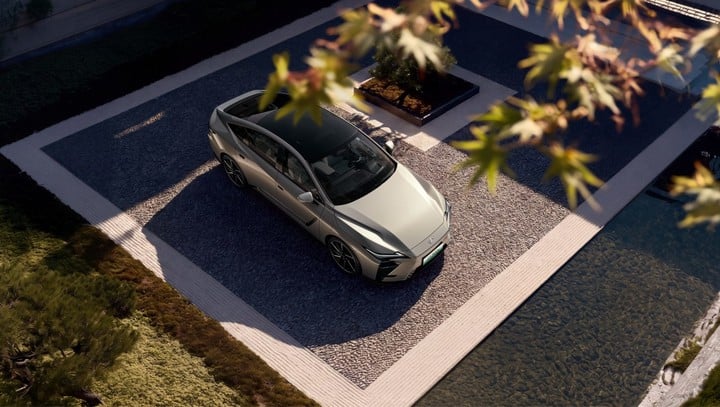
The constraints brought by this platform can also be seen to some extent from the front-wheel-drive layout and the charging port behind the front axle.
On the other hand, this batch of all-new ES pure electric versions is still introduced into China as fully imported vehicles, with tariffs, ocean shipping and Japan's domestic manufacturing costs spread across the car price, which leaves the pure electric ES with little room on pricing as well.
What Lexus is waiting for is its Chinese factory.
The wholly owned Lexus pure electric factory in Jinshan, Shanghai, with a total investment of 14.6 billion yuan, has basically been completed in the second half of this year and is scheduled to officially start mass production in 2027, with the localization rate of parts expected to exceed 95%.
This is also the second overseas passenger car company, after Tesla, to build a wholly owned factory in China.
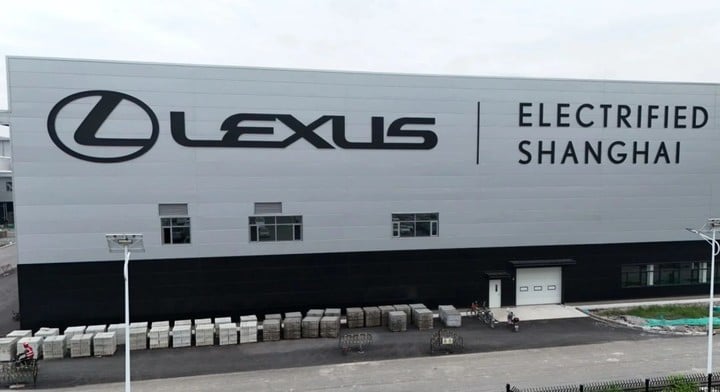
Only when this new factory with a maxed-out localization rate is up and running will Lexus truly have the chance to drive down the cost of the three electric components, use the local supply chain to make up for shortcomings in high-voltage platforms and intelligence, and at the same time seek the possibility of supplying overseas markets.
The article title: Starting at 339,900 yuan for a 400V model with an 8-second 0-100 km/h front-wheel-drive car, the all-electric Lexus ES is overpriced
Body: Thus, in this time window at the end of 2026, the imported all-electric ES is actually in a very awkward position. Facing domestic brands, the all-electric ES is clearly hard-pressed to compete, while against its own ES 300h, the all-electric ES struggles to persuade Lexus's potential customers to buy it.
Before the new cars from the Shanghai factory truly arrive, the all-electric ES starting at 339,900 yuan has neither a reason to win over existing users nor the confidence to challenge the new forces.