 Newshot
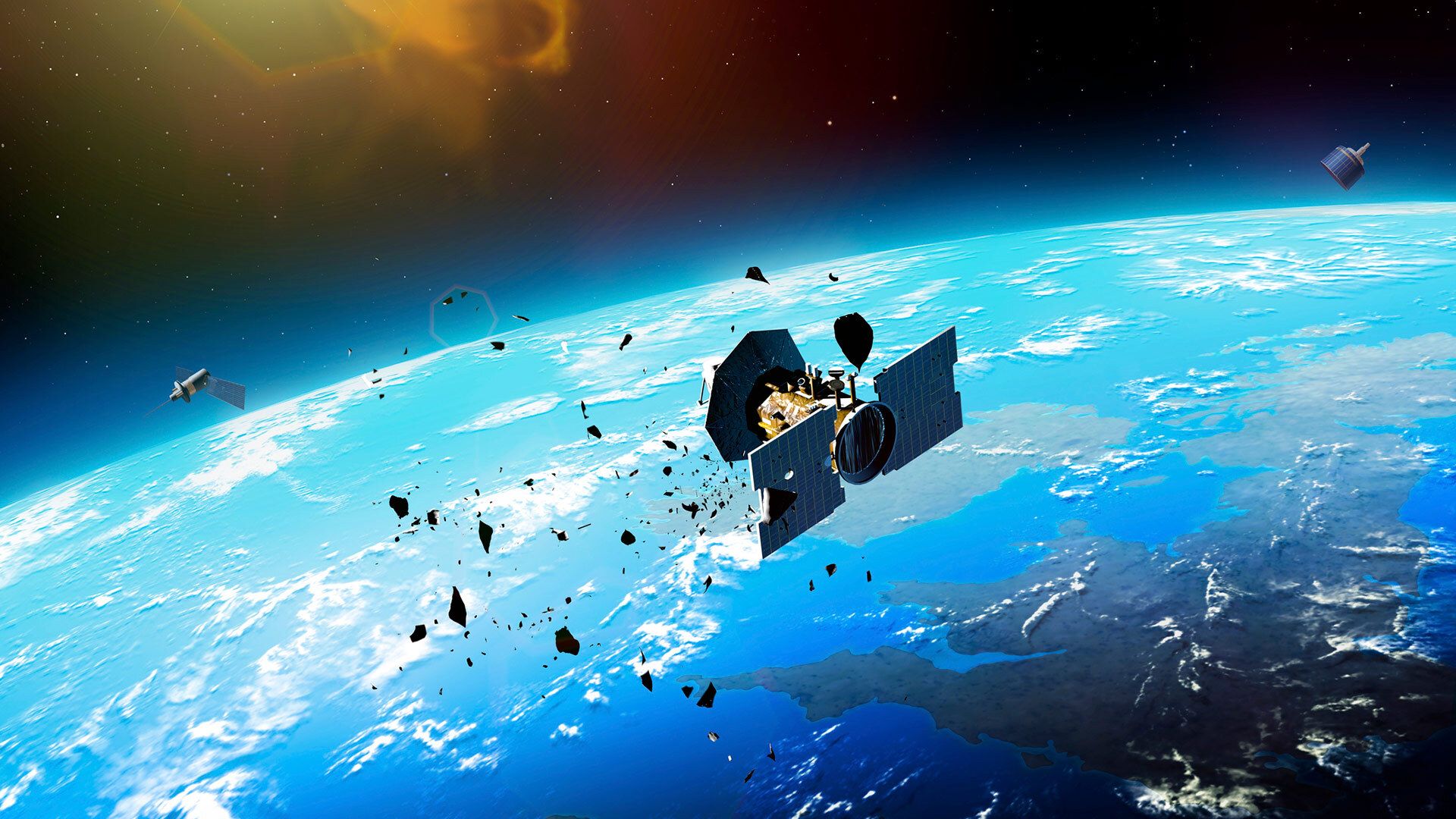
Western intelligence agencies believe that Russia could be readying the launch of a nuclear-armed satellite before the end of the year. The satellite, called Sputnik-S, is believed to have been in development for the last several years, with the United States first warning of Russia's plans in February 2023. Now, a German news report believes that the country's armed forces are already "raising the alarm" about the potential impact such a satellite could have. According to one expert, such a weapon could knock out a third of low Earth orbit satellites instantly, eventually disabling all of them with a devastating impact on the planet as a whole. With satellites playing such a vital role for civilian life as well as both military and intelligence operations, it's easy to see why Russia may want such satellite-crippling capabilities.
The report notes that information about Sputnik-S has been exchanged between several NATO member countries, with intelligence agencies having already warned that a launch could happen within 60 days. That report was made in early November, suggesting that Sputnik-S could be in orbit and operational in early December. The Russian embassy in Germany rejected the "unfounded allegations," saying that they are nothing more than "part of a propaganda campaign" against the country.
Perhaps worryingly, the United States Defense Intelligence Agency (DIA) published its own report in which it warned that "Russia is developing a satellite designed to carry a nuclear weapon." Such a move would be a violation of the 1967 Outer Space Treaty. The treaty prohibits any country from launching anything carrying nuclear weapons or, indeed, any weapon of mass destruction into Earth orbit. While there has been no suggestion that Russia could turn the nuclear weapons towards the planet, Sputnik-S would still clearly be in breach of the longstanding treaty. One expert cited by the report says that a nuclear explosion in space would knock out one-third of low Earth orbit satellites instantly, with the remaining satellites gradually failing in the following months. The EMP generated could even cause widespread technical carnage on Earth.
As for which satellites could be a potential target for Sputnik-S, there is no shortage of options. SpaceX Starlink satellites are relied upon around the globe for their ability to provide fast, reliable networking to parts of the world not served by traditional connectivity options. Notably, Starlink has been used by Ukraine as it defends itself amid Russian aggression. But amid SpaceX's limiting of performance, Ukrainian officials have chosen to use their own "flying modems" to avoid relying on Elon Musk's company. Russia has been trying to launch its own Starlink rival, with limited success. September saw it lose a batch of 16 satellites during launch.

Download the Tom's Hardware app for up-to-the-minute updates on iOS and Android. Also follow Tom's Hardware on Google News, or add us as a preferred source, to get our latest news, analysis, & reviews in your feeds.
Get Tom's Hardware's best news and in-depth reviews, straight to your inbox.

Oliver Haslam has written about technology of all shapes and sizes for over 15 years, both online and in print. He's fascinated by how personal computing continues to change as tower PCs give way to foldable phones and beyond.