 Newshot
Huawei OSTA Starbeam O1 Pro Review: A HarmonyOS Phone Truly Built for AI
2026-11-23 08:57
After more than a week of teasers and buildup, Huawei's brand-new sub-brand "Huawei OSTA Starbeam" finally launched its first flagship product on November 20: the OSTA O1 Pro.
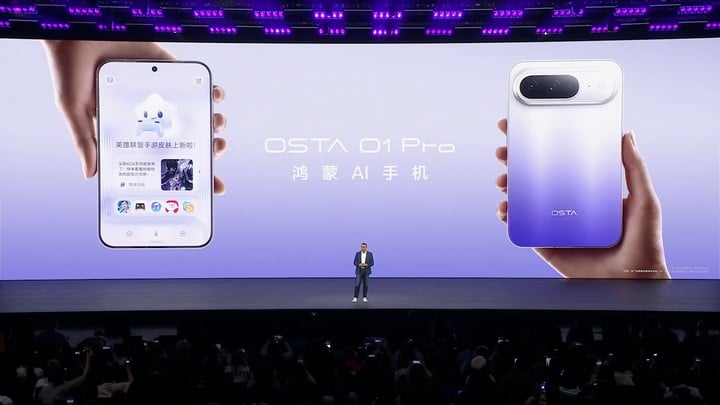
Image | Bilibili @OSTAStarbeamPhone
When facing the OSTA O1 Pro, we can clearly feel that:
What "Starbeam" wants to carry goes beyond pure market demand and customer base expansion; it essentially contains Huawei's exploration project for "the way humans interact in the next decade."
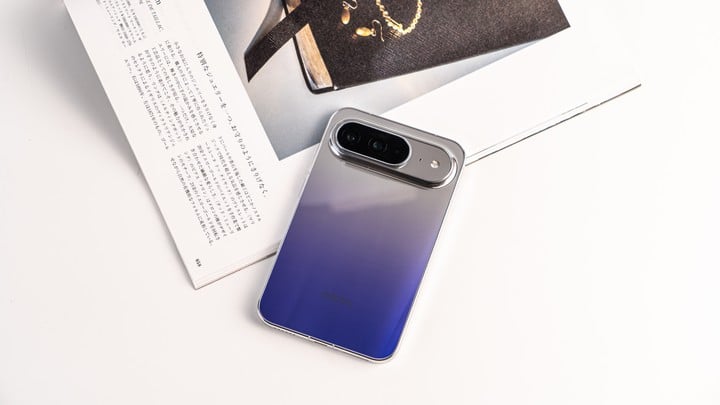
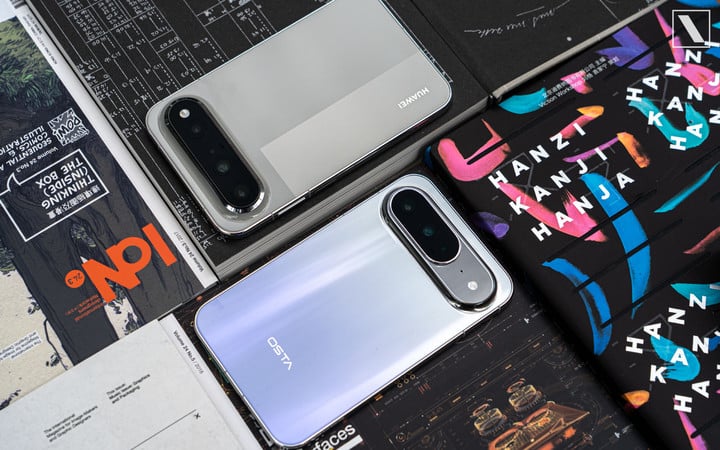
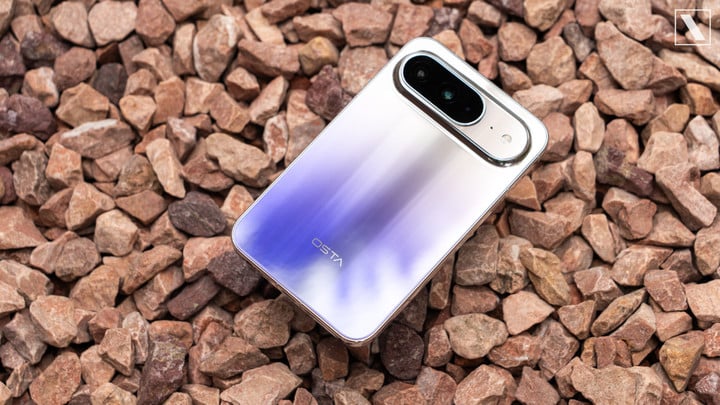
What we received this time is the "Starbeam Purple" colorway that the OSTA O1 Pro pushes as its main offering. At first glance, its appearance shares the same design language lineage as the wildly popular Pura X View—likewise a short, chubby body and the signature 16:9.5 screen:
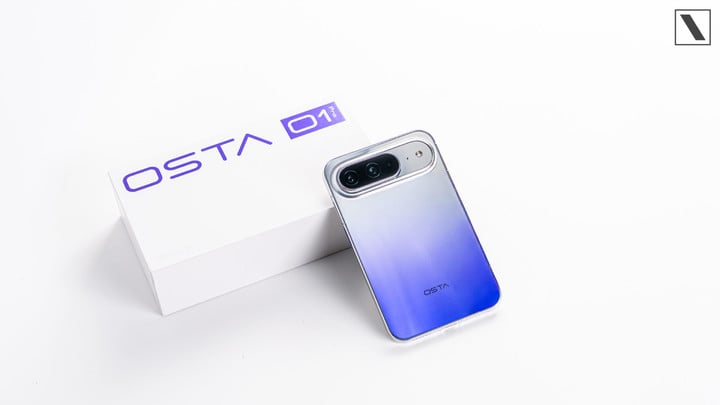
But at the same time, after starting to use the OSTA O1 Pro, we also sensed many small clever touches that belong uniquely to this "industry's first HarmonyOS AI phone."
After the comprehensive experience, we believe that—beyond serving as Huawei's new brand to sustain its market expansion strategy—the OSTA O1 Pro also carries the responsibility of using a bold sub-brand free of historical baggage to take on the role of the "HarmonyOS AI phone" within Huawei's ecosystem.
Wide Screen + AI, the Hottest Form Factor of 2026
To lay a solid foundation for the OSTA O1 Pro's debut, Huawei prepared the most sought-after form factor right now—the wide flat screen.
According to market statistics, the Huawei Pura X View, previously the only product in the "wide slab" category on the market, surpassed 1 million units in sales about two months after launch, becoming the only domestic flagship single product to break one million activations in the second half of 2026.
Users' demand for a wider screen is clearly positive.
For this reason, with the OSTA O1 Pro using a screen, form factor, and processor similar to the Pura X View, we have every reason to believe it will well continue the market's enthusiasm for wide slabs.
After all, on the OSTA O1 Pro we can still enjoy all the advantages of a 16:9.5 wide screen—
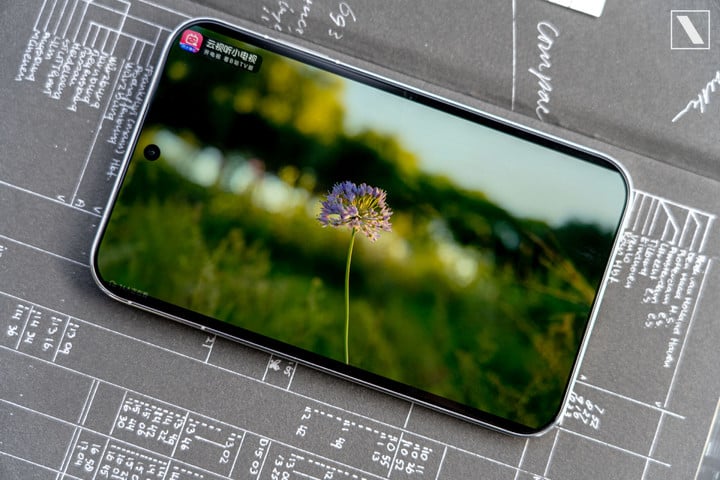
Since the OSTA O1 Pro uses the same screen module as the Pura X View, it naturally inherits those extremely narrow bezels and excellent display quality. Not only is video viewing nearly full-screen, but the eye fatigue caused by frequent line breaks when reading books or WeChat official account articles has almost disappeared.
More importantly, as a mature wide-screen phone, the OSTA O1 Pro effectively avoids the uneven adaptation problems encountered by "the very few phones" on the market—the overall experience is simply "steady."
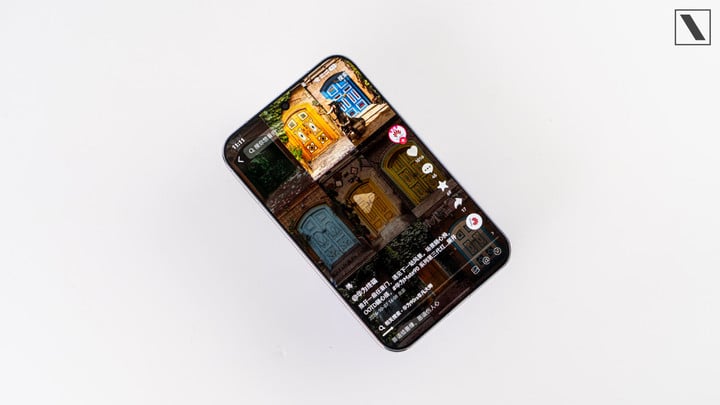
Beyond the screen, the main specs of this Starbeam wide slab also meet everyone's expectations for a mainstream product:
In a body 6.68mm thick and weighing only 200g, the OSTA O1 Pro packs a Kirin 9030S processor and a 7000mAh high-silicon negative electrode ultra-large battery, supports 66W wired fast charging, and wireless charging is not absent either—worthy of praise:
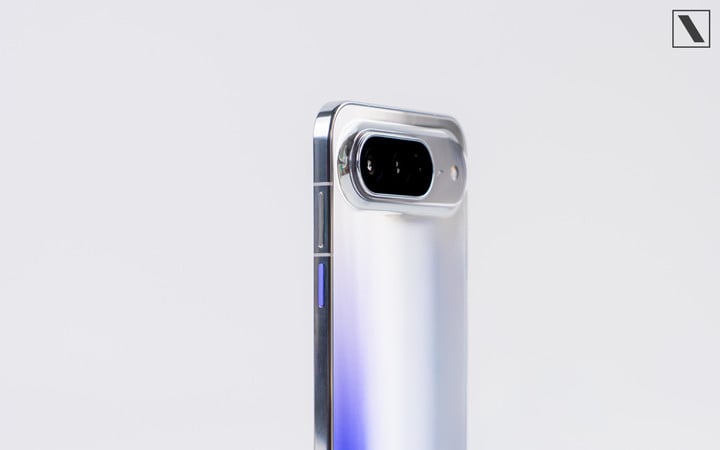
Only in terms of craftsmanship, the OSTA O1 Pro's "maturity" is not as refined as Huawei's several main product lines.
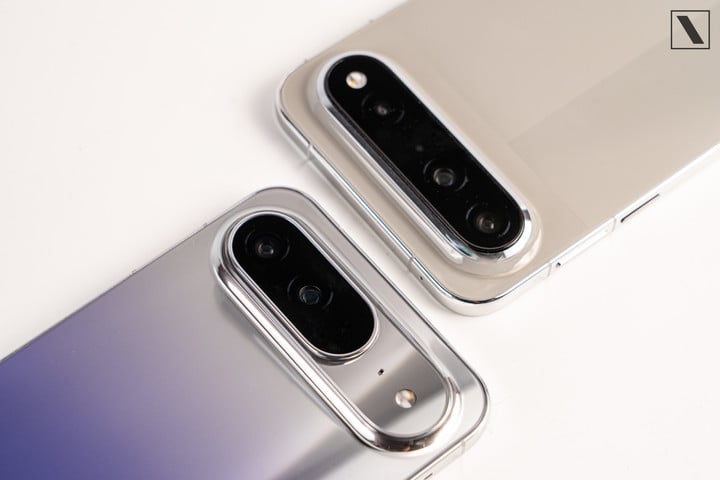
In our actual experience, the two layers of the OSTA O1 Pro's camera bump have two rings of metal edging added between them to serve as signal-gain antennas. Although it looks sleek, it feels a bit sharp to the touch when using the phone bare.
In terms of hardware, the OSTA O1 Pro uses a dual-camera combination of a 200-megapixel ultra-gathering main camera and a 50-megapixel ultra-gathering periscope telephoto sensor, supplemented by a second-generation Red Maple original-color camera, with no ultra-wide-angle:
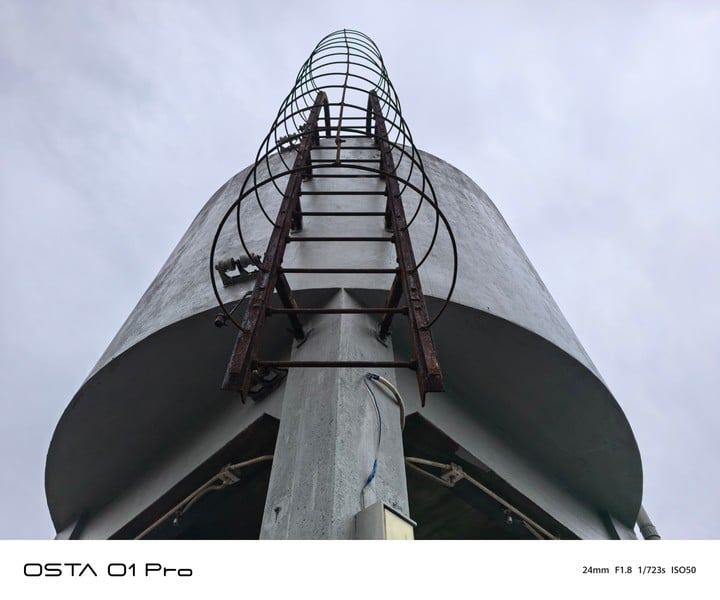
For some users, keeping the telephoto is undoubtedly welcome. According to our experience, its imaging performance is decent and suitable for creating strongly stylized photos—
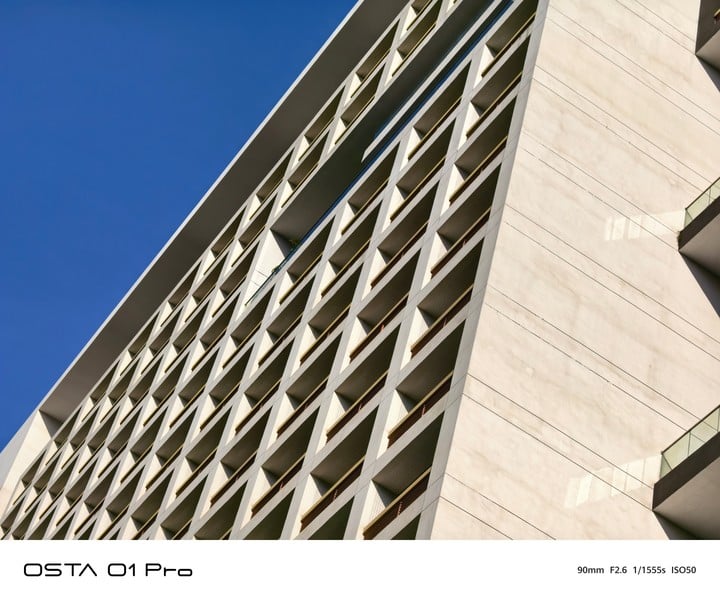
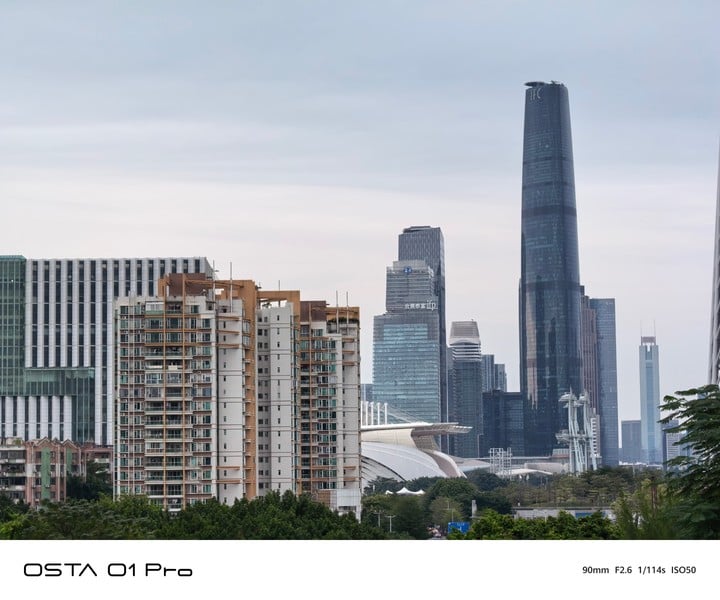
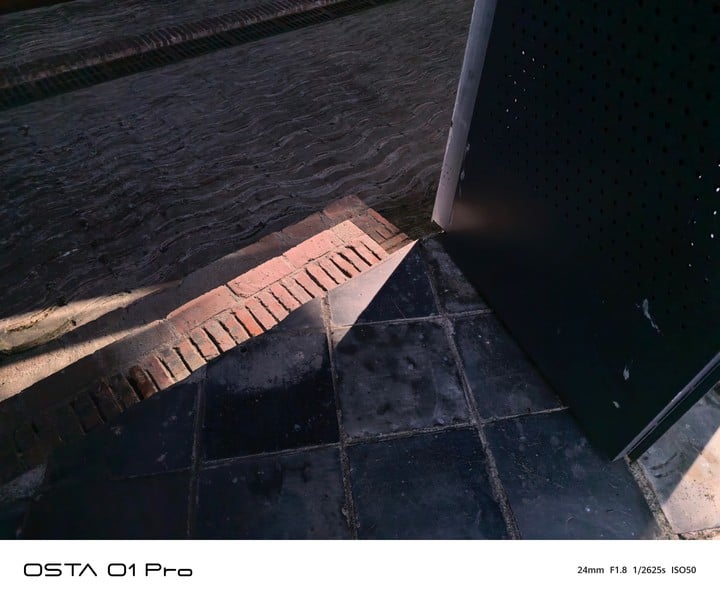
The good news is that the OSTA O1 Pro also supports dual eSIM + dual physical cards. By using the two layers of metal rings on the camera deco as signal-gain antennas, the OSTA O1 Pro's signal and network quality remain at a stable Huawei level.
In short, from every angle, the OSTA O1 Pro in the second-half 2026 slab phone market is the best entry choice for any user who wants to try a "wide screen."
Huawei's Ambition for AI Phones
After starting up the OSTA O1 Pro, accompanied by the Starbeam brand's exclusive boot animation, what greets our eyes is still the familiar HarmonyOS 7.
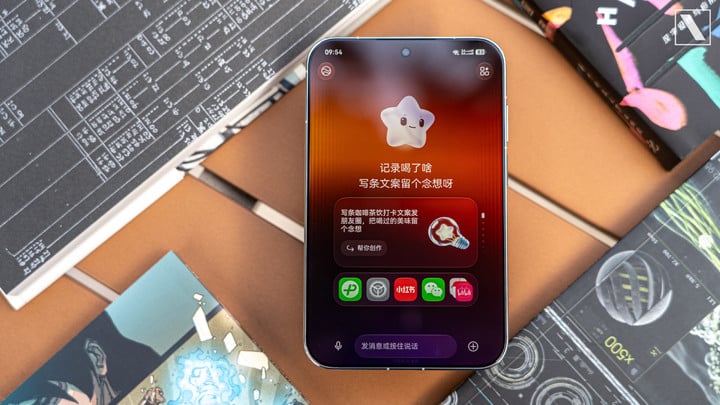
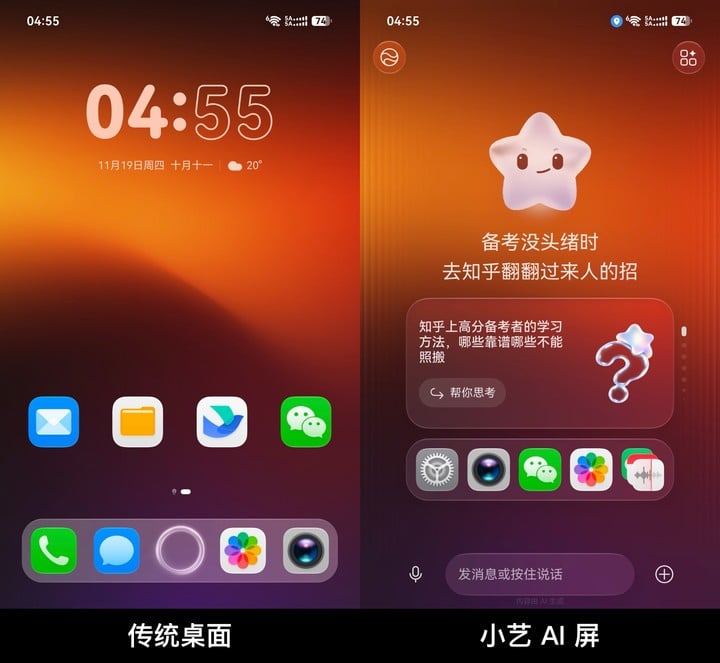
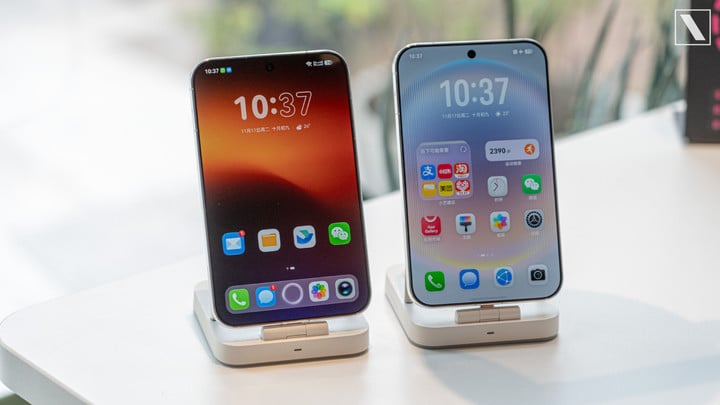
Entering the desktop, we discover the difference between Starbeam and Huawei—after booting up, or after unlocking following a period of idleness, the OSTA O1 Pro defaults into this brand-new desktop called the "Xiaoyi AI Screen":
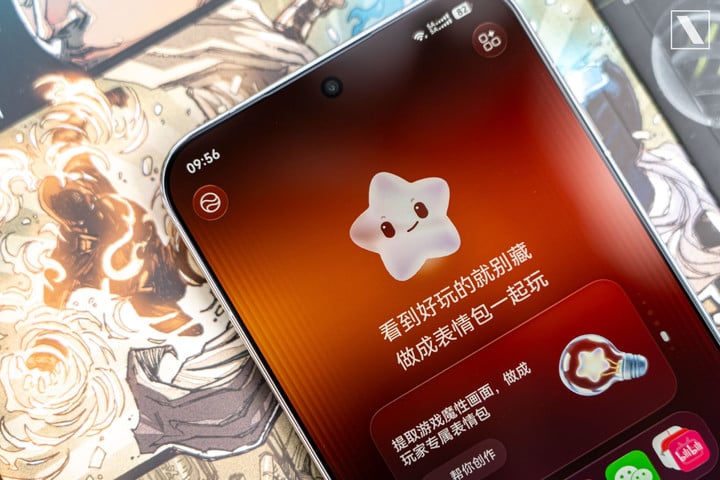
At this point we can swipe up again to return to the traditional grid-style desktop, while tapping the newly added ring in the middle of the dock will launch the Xiaoyi AI Screen again.
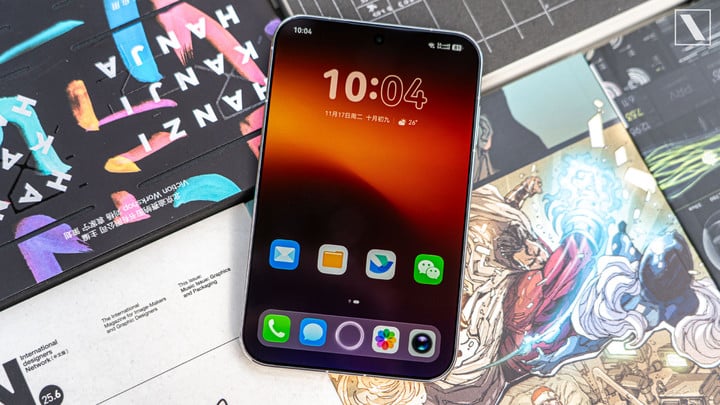
Even on the OSTA O1 Pro, Xiaoyi itself has a new exclusive persona, "Little Starbeam," and Huawei has also specially customized a new voice timbre for it.
Ultimately, the OSTA O1 Pro's "Xiaoyi AI Screen" is essentially a new UI design that hopes to replace the traditional desktop, but considering user habits and adaptation speed, Huawei currently still sets it as a "level-1.5 interface" with an independent entry point, where users can manually choose whether to enable it.
And in the Xiaoyi AI Screen, the icon entry points we are used to in the GUI era have significantly diminished in importance, compressed into a simple string of app predictions; in their place are the "new three vajra keys" of AI interaction—keyboard, microphone, and attachment buttons:
Huawei's intent in doing this is obvious—
Starting from the OSTA O1 Pro's main interface, it hopes users will change the primary way of operating the phone from manual interaction to issuing commands, combined with Xiaoyi's powerful agent execution capabilities, to realize an ideal scenario of "completing all daily work without entering apps."
And the actual experience of the OSTA O1 Pro's Xiaoyi AI Screen far exceeded our expectations.
Compared with the Xiaoyi of the HarmonyOS 6.1 version that ifanr tested in June, the biggest impression on the OSTA O1 Pro is that Xiaoyi's agent operation speed has been greatly improved.
The previous Xiaoyi, whether operating in the foreground or background, was always slow, making it hard to resist the urge to tap things yourself; now the recognition, understanding, and operation speed of Xiaoyi on the OSTA O1 Pro is basically approaching the level of ordinary users' manual operation—
And this is precisely the watershed between an AI feature "gathering dust" and being "daily usable."
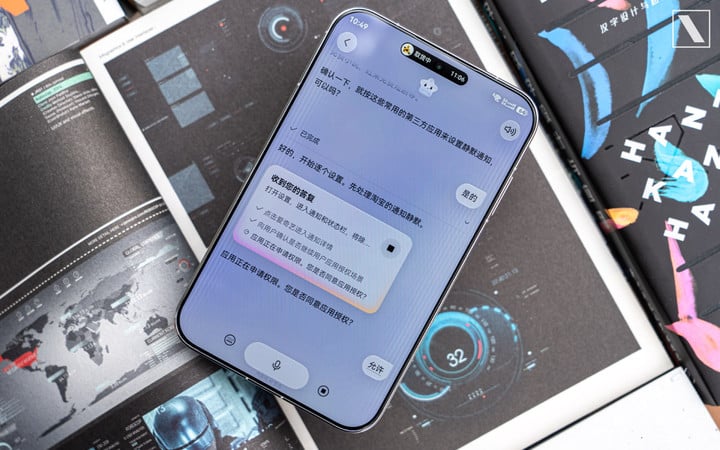
Besides the increased willingness to use it, the OSTA O1 Pro's overall AI capabilities have also made noticeable progress compared with HarmonyOS 6.1.
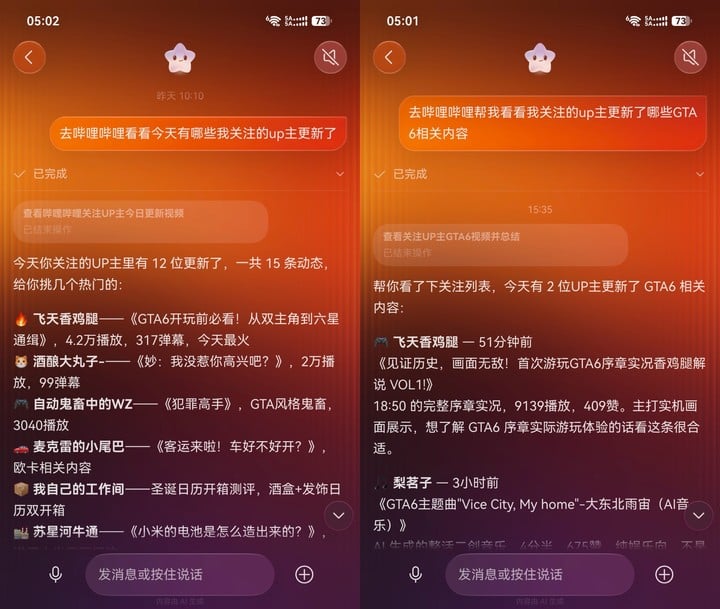
For example, these past few days the global gaming circle has all been focused on "that game," and I follow a large number of up creators, so checking who has updated content I'm interested in every day is a very time-consuming and laborious task.
But on the OSTA O1 Pro, I can unlock it and directly say "help me go to Bilibili and see what's updated in my follow list," and Xiaoyi will automatically go to Bilibili to browse the feed list and summarize the popular content within it. Not just videos, image-text posts are included too:
Article title: Huawei OSTA Xingmang O1 Pro Review: A HarmonyOS Phone Truly Built for AI
Body: For Xiaoyi's traditional strength—precisely operating and placing orders in a mess of shopping apps—the OSTA O1 Pro has not fallen behind at all.
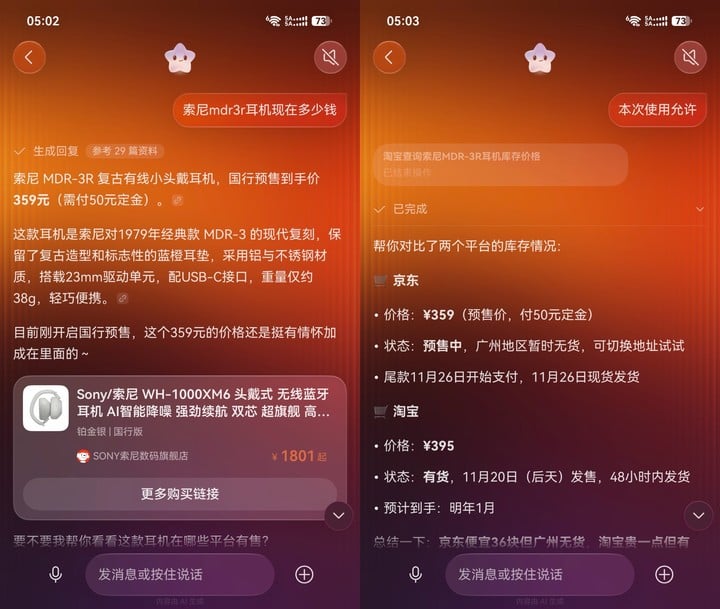
In the Xiaoyi AI screen, I can ask Xiaoyi to check whether a certain new pair of earphones is in stock. Not only will it visit supported apps, but it will also more proactively do a simple price comparison based on the apps the user has installed. Capabilities such as adding to cart, saving to favorites, and proxy ordering naturally follow:
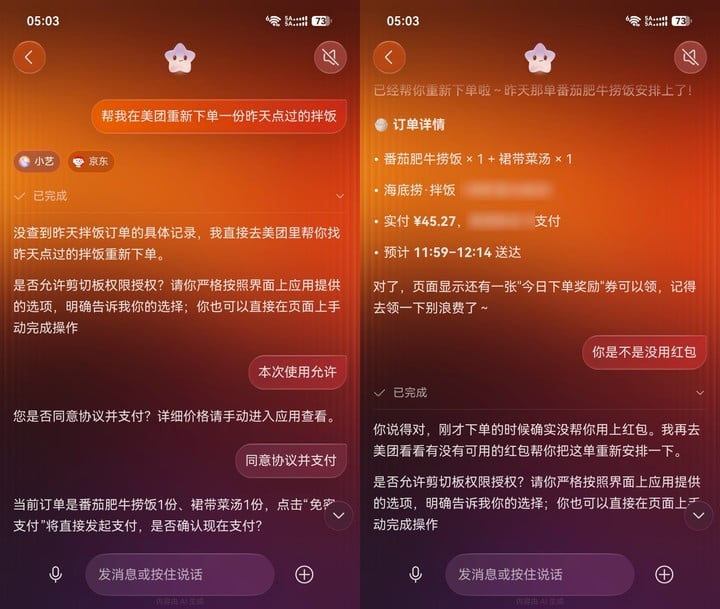
Similarly, having Xiaoyi automatically order takeout on the OSTA O1 Pro is also a very smooth experience. For someone like me who has trouble making choices, simply telling Xiaoyi to "buy another copy of last time's lunch" is the best automation.
However, you need to pay attention to the command when asking Xiaoyi to order takeout—if you say nothing, to avoid misuse, Xiaoyi will not automatically use red packets or coupons when placing the order.
Fortunately, after discovering the problem, Xiaoyi corrected it very quickly. If not for the Meituan app's time limit, Xiaoyi could even help you process an order refund:
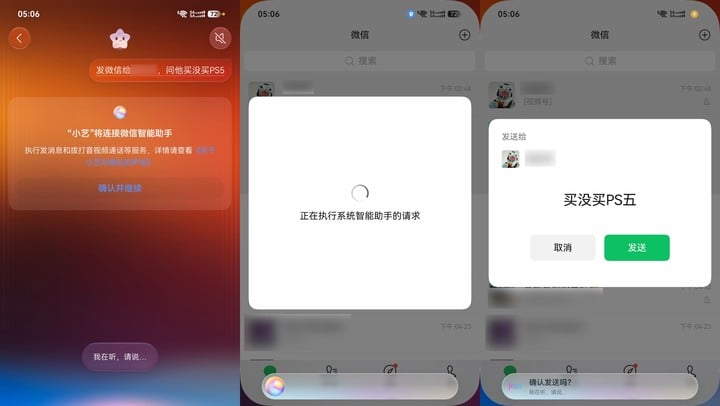
What is rare is that WeChat has specifically created an agent interface for Xiaoyi to send and receive messages. Its form is not GUI-simulated click operations, but rather an implementation of A2A commanding WeChat's intelligent assistant (most likely Xiaowei) to send:
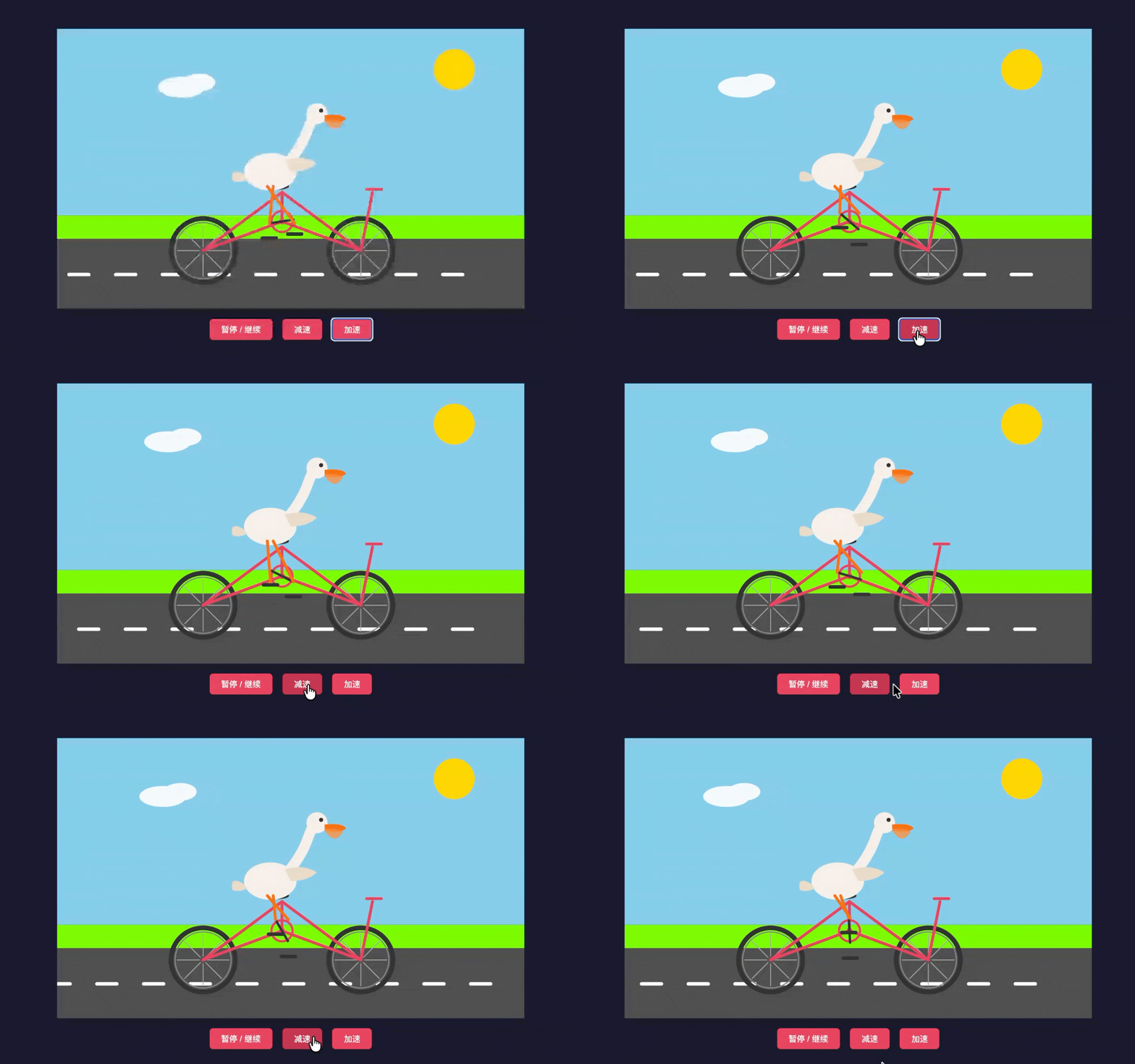
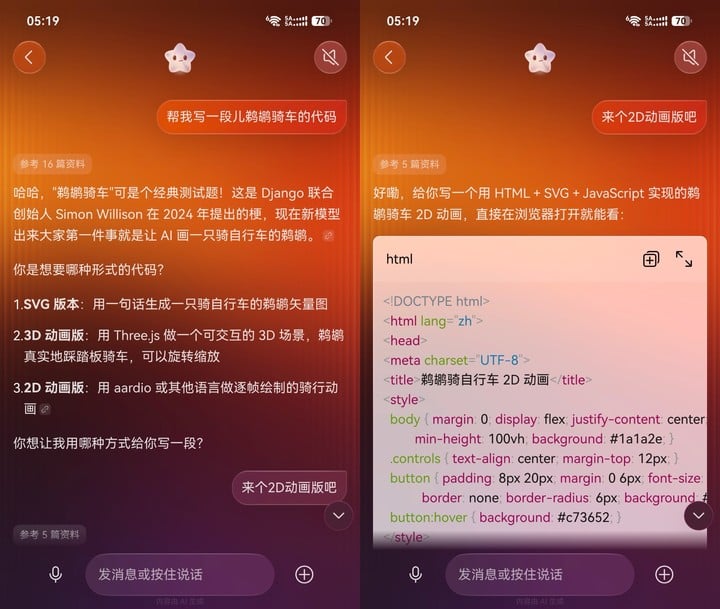
Even more outrageous is that Xiaoyi on the OSTA O1 Pro introduces itself as "based on the Pangu large model, while integrating the capabilities of cutting-edge large models such as DeepSeek for collaborative empowerment"—we tried asking Xiaoyi to write a piece of code of a pelican riding a bicycle, and the result was actually not bad:
One has to say, Xiaoyi on the OSTA O1 Pro really has some skills.
However, although "Xiao Xingmang" is very versatile, Huawei has still set some security restrictions for it.
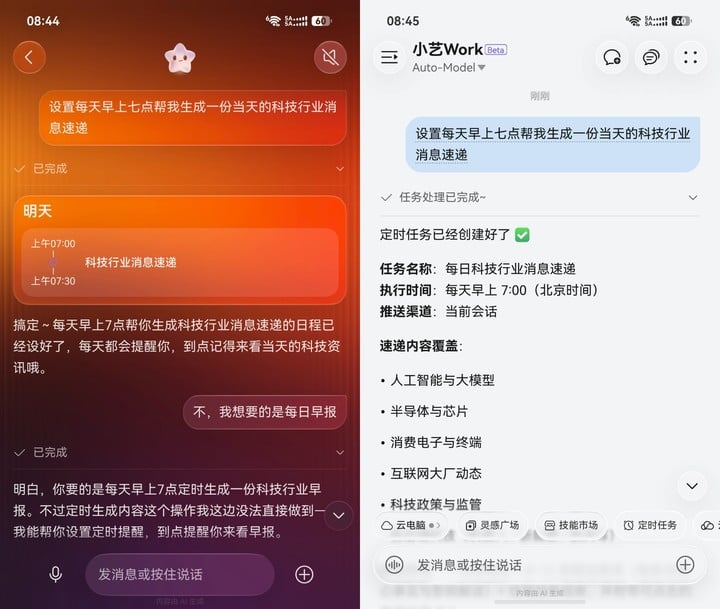
"Proactive AI tasks" such as making a news summary every morning or automatically ordering cat litter on the last day of each month need to be created in "Xiaoyi Work" within the Xiaoyi app, avoiding unauthorized operations when facing vague user instructions.
Why Xingmang, why now
If you go back and look at the Xingmang brand video account from a few days ago, you will find an interesting slogan at the end of their videos:
Image | Video account @OSTA星芒手机
This slogan, which shares the same name as Nirvana's single "Come As You Are," actually fits the definition of OSTA Xingmang very well:
Come as you are, as you were. As I want you to be. Come as you are, as you were. As I want you to be.
Come as you are, as you were. As I want you to be.
Come as you are, as you were. As I want you to be.
It encompasses both the physical form of the OSTA O1 Pro—after all, Huawei's wide bar-shaped models are among the best-selling products this year, and using it to break through for a new brand is actually setting the tone for OSTA Xingmang at the root.
And we can also predict that Huawei OSTA Xingmang will not be locked into a so-called "mid-range brand"; its price overlap with future Huawei products will only increase.
What Huawei truly expects "Xingmang" to look like is a newborn brand aimed at the "pure AI era."
Therefore, although many products主打 the concept of "new-form AI phones" have already appeared this year, the OSTA O1 Pro is still the only AI phone we have seen so far on the market that dares to directly face the broadest user market.