 Newshot
The purpose of the SC port on your old laptop
No, it can't process a credit card payment for an online purchase.
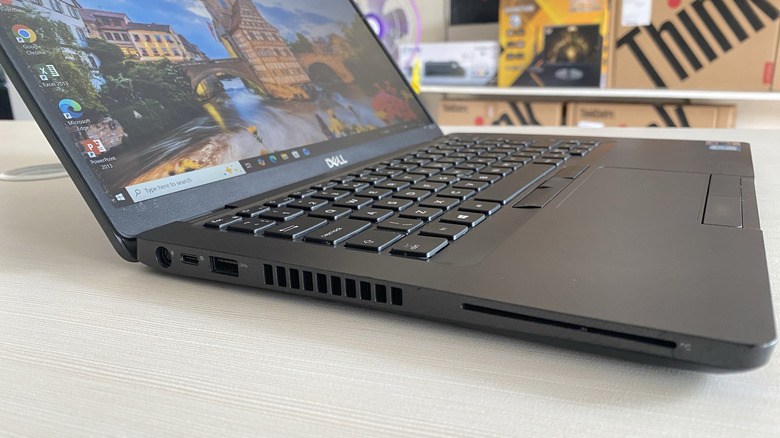
The laptop market is an interesting one, in that while there's certainly a compelling history of its competition with desktop PCs, in the end, these two categories diverged to meet different needs. More recently, the desktop PC market has been defined by prebuilt systems and custom builds focused on gaming and entertainment, but the laptop scene still feels very business-like.
One aspect of laptop design that has contributed to this feeling for decades now is the collection of unique features that have come and gone. In particular, the SC slot, also known as the smart card reader.
The SC port isn't likely to be on a laptop you walk out of Best Buy or Target with, but its use cases are often quite amusing for those who don't need one. If you do happen to have a laptop with an SC port, chances are you are a professional with an important job or bought something secondhand, leaving you wondering exactly what this unusual port can actually do.
The main use cases of an SC port

A smart card reader does exactly what it sounds like. It's designed to read and interact with cards of various kinds — often the kind of security and ID badges you might see dangling from the lanyard of a corporate employee. The readers are mostly found on business laptops, where the main goal of the machine is to facilitate an efficient workflow as opposed to watching YouTube videos.
Government agencies and security companies make use of smart card readers to maintain a stronger sense of control over their potentially sensitive information. It's not a perfect system, but even one extra layer of protection can make a world of difference.
They're also common on school-issued laptops, as students can use them to gain access to private portals for assignments or schedules. While a reader has the potential to make a user feel like a secret agent of some kind as they insert a card to gain access to sensitive information, the average person isn't likely to use one, or indeed even have an SC port on their laptop.
How to tell if you have, and can use, a smart card reader

The core concept of a device that can read these cards isn't exclusive to laptops, of course. The technology is what we use every day when we check out at stores and insert cards into a machine, and standalone units designed for small businesses have existed for decades in the form of POS, or point-of-sale, systems.
If your laptop does happen to have a smart card reader, however, you may be wondering if you have any actual use for it. While it would be fun to be able to actually insert a credit or debit card in it to pay for something online, none of them can actually complete transactions. In reality, there are very few genuine uses that your average, everyday person would have for a smart card reader in a laptop.
If you are an incredibly security-fixated person, it's possible but impractical to use the smart card reader to create an extra layer of security on a home laptop. It's remarkably complex, and for most people, a simple two-factor authentication will work just fine.