 Newshot
iPhone 18 Major Update, Coming Next Spring! But Apple's Challenges Are Just Beginning
iPhone 18 Major Update, Coming Next Spring! But Apple's Challenges Are Just Beginning
2026-11-23 06:19
During this period of transition between old and new, Apple has changed quite a few of its "ancestral rules," and the cadence of new product launches is certainly no exception.
The most obvious change is that products once concentrated at the fall event are now split by Apple into updates spread across consecutive months—
In September, the iPhone 18 Pro series and the first foldable iPhone Duo appear together; in October, smart home device HomeView, the new iPad mini, and the touchscreen MacBook Pro and other new products arrive one after another.
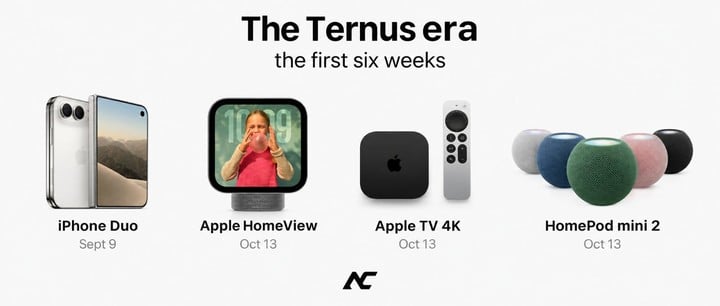
And after a brief winter break, Apple will usher in another busy spring.
Bloomberg reporter Mark Gurman revealed in the latest issue of "Power On" that Apple plans to launch the standard iPhone 18, iPhone 18e, the new generation MacBook Neo, MacBook Air, and the entry-level iPad between February and March 2027, which is the iOS 27.4 update cycle.
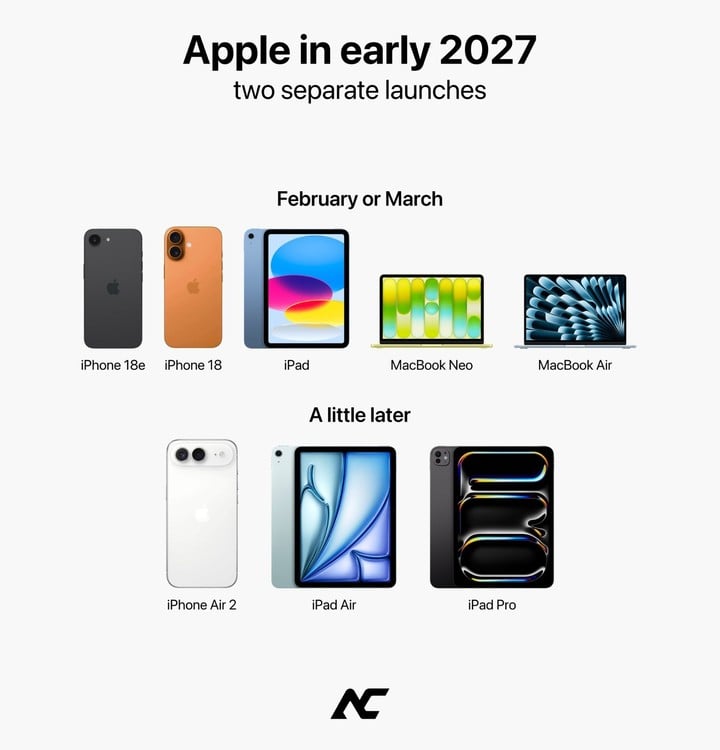
After that, products including the iPhone Air 2, OLED iPad Air, and an updated iPad Pro are waiting to take the stage.
In this dense list of spring new products, the most eye-catching is undoubtedly the standard iPhone that was absent this year.
Major Update for the Standard iPhone, Coming Next Spring
From iPhone 11 to iPhone 17, the standard model has always been released alongside the Pro series in the fall. This year, Apple split this pairing for the first time: the high-end models arrive in September, while the standard model is pushed to the following spring, meaning the launch cycle of the same iPhone generation now spans two calendar years.
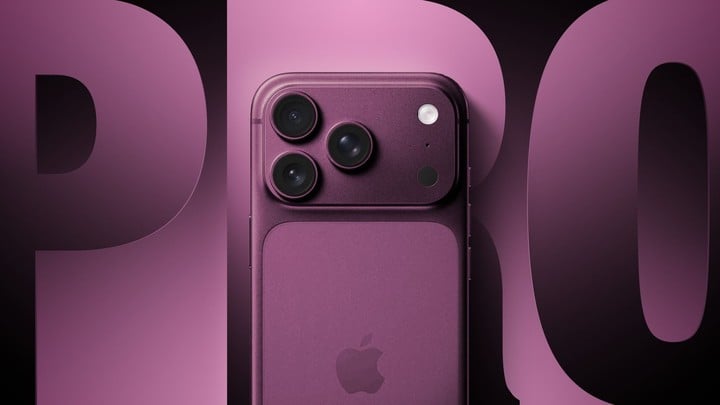
According to existing supply chain reports, the upcoming standard iPhone 18 is expected to feature the A20 chip built on TSMC's 2nm process and introduce new packaging technology, with further improvements expected in performance, energy efficiency, and on-device AI computing power—of course, we all know there will be precise segmentation.
But compared with the routine chip upgrade, its changes in appearance and internal structure are more noteworthy.
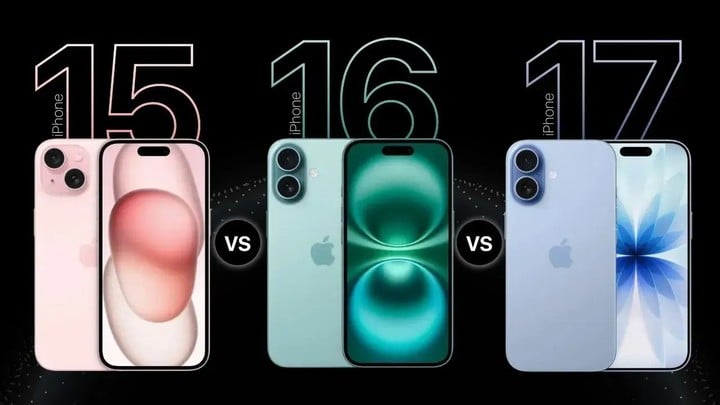
Exclusive information obtained by ifanr shows that the standard iPhone 18 will adopt an all-new rear camera Deco design.
The new design breaks away from the previously rather squarish module framework and also differs from the horizontally spread rectangular platform of the iPhone 17 Pro and 18 Pro, instead adopting a shape resembling an airplane window: overall slightly elongated, with rounded corners wrapping the opening, forming a brand-new visual signature on the back of the device.
Given the similarity in design language between the past two generations of standard iPhones, this all-new Deco will most likely become the visual feature by which consumers recognize the iPhone 18 at a glance.
Although the exterior is more attention-grabbing, the changes to the internal structure are by no means small either.
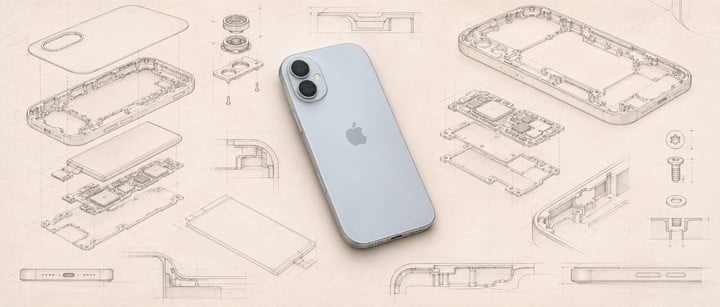
According to ifanr's understanding, the iPhone 18 will adopt a high-density stacked motherboard, further reducing the motherboard's footprint, freeing up more space for the battery and cooling system, and ultimately improving battery life and sustained performance.
This is an internal engineering approach Apple has consistently followed across its recent generations of products.
The iPhone Air gathers core components toward the top of the device to squeeze out battery space for an ultra-thin body; the iPhone Duo requires rearranging components among the hinge, dual screens, and battery; the iPhone 18 Pro adjusts the positions of the double-layer motherboard and processor, working with a vapor chamber to shorten the heat transfer path.
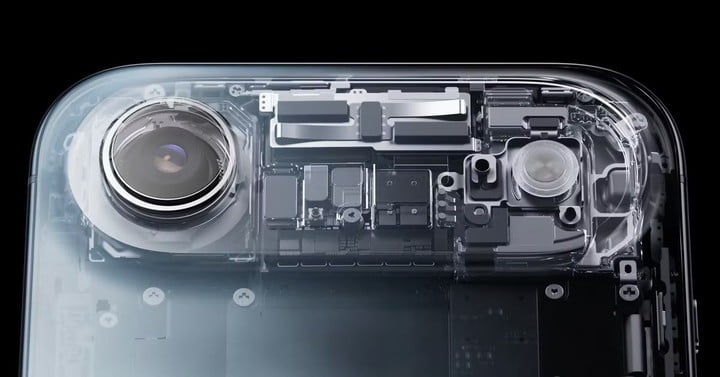
Ultimately, the goal of these designs is to improve space utilization within a tiny body.
This time, Apple is bringing internal engineering experience previously validated on high-end, ultra-thin, and foldable models to the standard iPhone.
Speaking of ultra-thin models, the iPhone Air 2 is expected to arrive in the first half of next year. According to current leaks, Apple is expected to add a second rear camera, improve battery life, and update the chip, making up for some of the first-generation product's shortcomings.
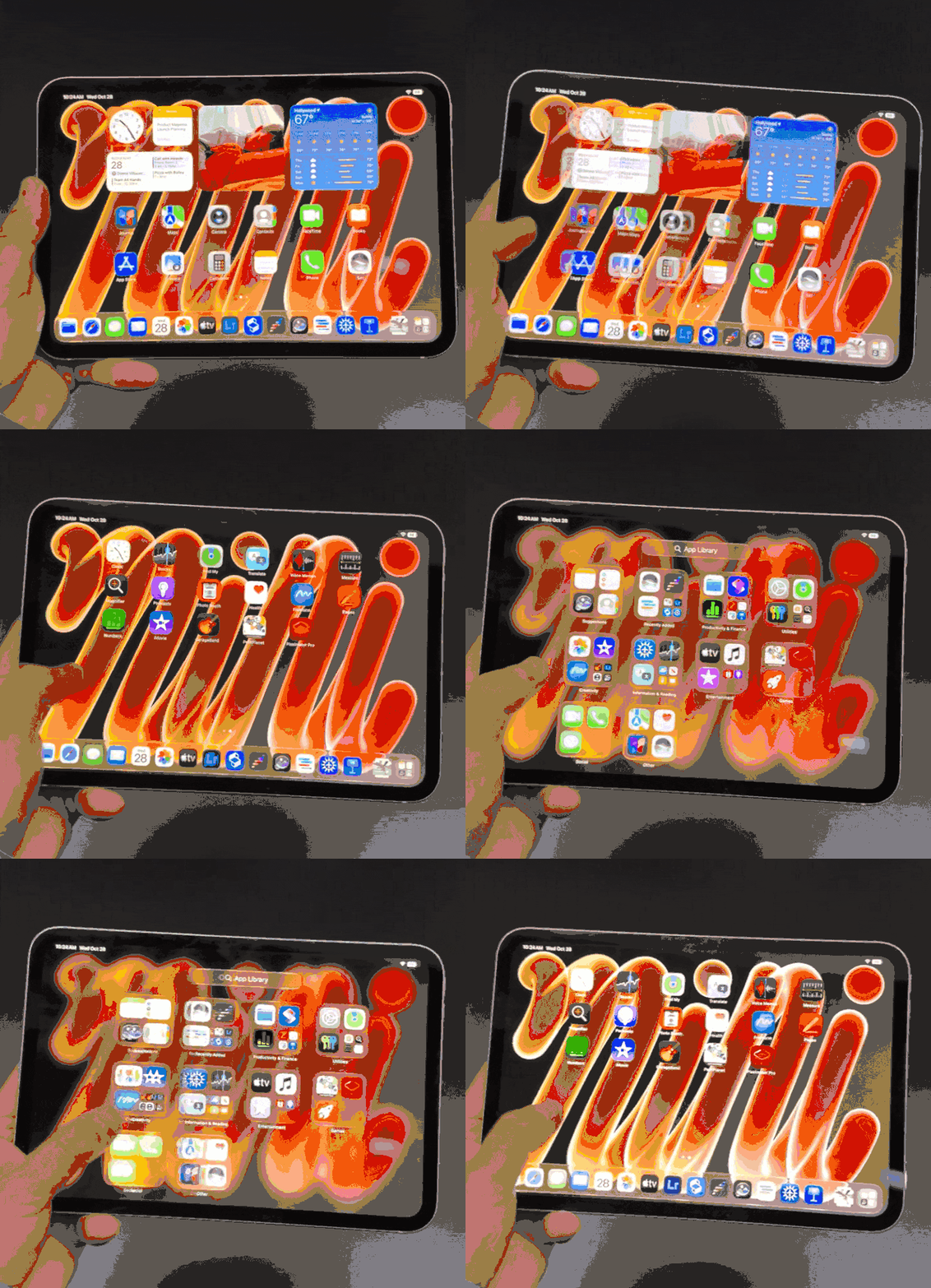
The iPad Air will also receive an important upgrade: an OLED screen. After the iPad mini was equipped with an 8.5-inch OLED screen this October, Apple is expected to bring this technology to the 11-inch and 13-inch iPad Air next year. By then, apart from the entry-level iPad, the other three tablet product lines are all expected to complete the OLED transition.
As expected, entry-level products will also see a concentrated generational refresh in this cycle.
The iPhone 18e will continue to cover lower price points, the MacBook Air and the suffix-less entry-level iPad are due for normal generational updates; and the new MacBook Neo is expected to upgrade from A18 Pro to A19 Pro and support 12GB of memory, continuing to compete for the entry-level Windows PC and Chromebook market by adapting to more scenarios.
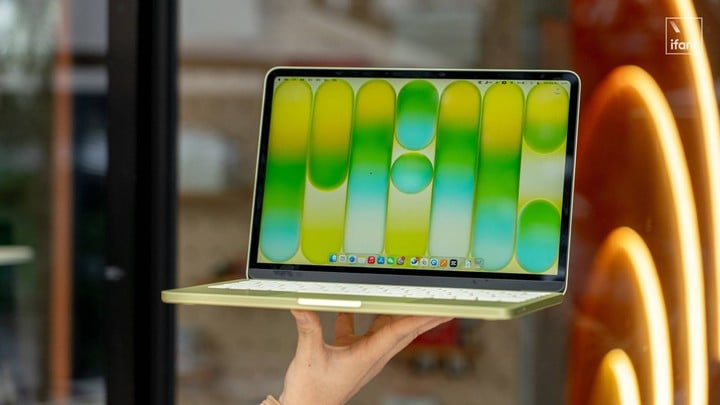
Gurman also revealed that Apple plans to update the Neo's chassis colors more frequently and has included it in an annual update cycle similar to the MacBook Air and MacBook Pro.
With new products released in batches, Apple's software updates are also beginning to take on more feature delivery tasks.
The official release of iOS 27.3 this December will deliver a batch of features originally scheduled for the fall, including Siri's multi-step operations on Apple's own apps, while third-party app support will have to wait until next year. By spring 2027, iOS 27.4 will roll out alongside the next batch of new products.
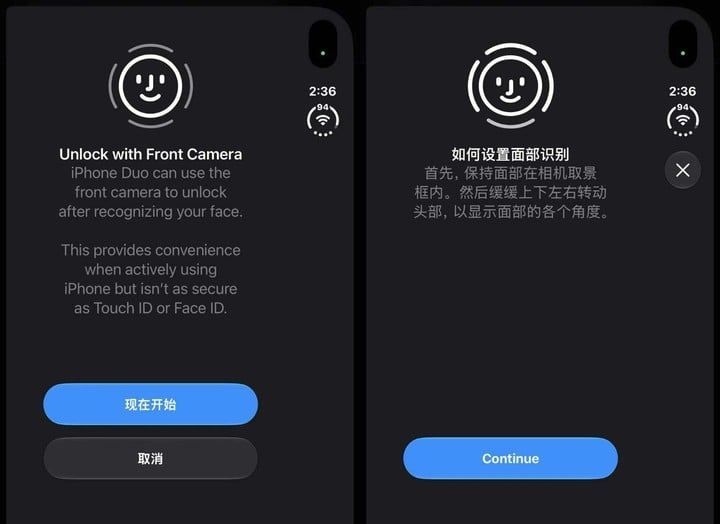
Judging from the current product arrangements, Apple has formed a new launch logic: fall is reserved for high-end flagships, spring is left for standard and entry-level products, with Mac, iPad, and smart home devices interspersed in between. Later in 2027, products including the iPhone 20, smart glasses, and AirPods with cameras are waiting to be released.
In other words, product updates that once required waiting until September now run almost throughout the entire year.
For Apple, this means more opportunities throughout the year to attract consumers.
In the AI Era, Apple Wants More "Tech Spring Galas"
Apple's advantage over the past two decades has largely been built on software-hardware synergy as precise as clockwork.
WWDC every June and the iPhone event every September have almost become fixed dates for the global tech industry. Through these highly concentrated launch moments, Apple integrates new products, systems, developers, and marketing together, generating attention that lasts for weeks or even months.
But now, Apple clearly hopes to have more "tech spring galas" each year.
The most direct reason, of course, is that a single event can no longer accommodate its massive product line.
From iPhone, Mac, and iPad to Apple Watch, AirPods, smart home, and the upcoming smart glasses, Apple needs to manage an ever-growing variety of devices. Putting all new products in the fall would obviously only make R&D, supply chain, and marketing resources compete with one another within the same time window.
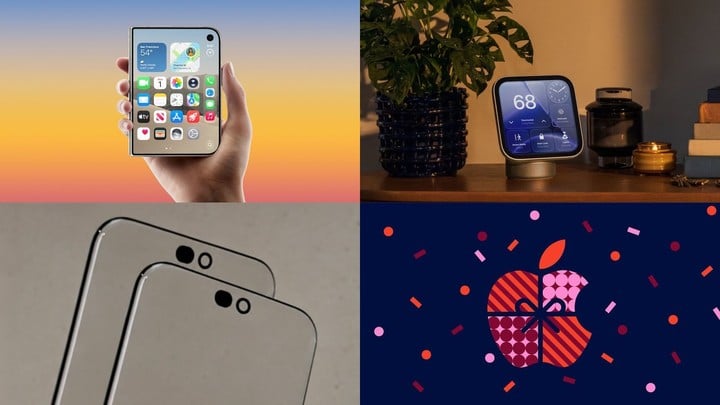
In particular, new technologies such as foldable screens and advanced chip packaging require longer production preparation and yield ramp-up cycles. Spreading different products across the year can reduce the pressure of concentrated mass production in the supply chain and also give Apple a new sales growth point every quarter.
But one cannot ignore another major factor driving Apple's change—the pace of product iteration in the AI era.
Gurman disclosed that Apple's software department has an internal release calendar named from A to G, binding development tasks to specific versions. The main features of a generation of operating system are usually basically finalized in late summer or early autumn of the year before release.
In other words, by the time an iOS system is officially delivered to users, its main features may have been frozen a year earlier.
This was a reasonable way of working when the core features of mobile operating systems were relatively stable. Determining the roadmap in advance can leave engineering teams ample time for development, testing, and optimization.
But today, the iteration of rivals such as OpenAI, Google, and Anthropic is already measured in weeks, or even days, with major capability updates arriving one after another—from early chat Q&A to building engineering projects, operating computers, and invoking apps to handle user affairs, the capability boundaries of AI products are still expanding rapidly.
Under such circumstances, Apple's sluggish development process has clearly failed to keep up with the pace of the industry.

Article title: Major iPhone 18 Update Coming Next Spring! But Apple's Challenges Are Just Beginning
One example: the technical architecture of the old Siri failed to meet expected requirements, causing repeated delays in the launch of key Apple Intelligence features, and Apple had to tear down the entire project and start over; the smart home hub HomeView, which relies on the new Siri's interaction capabilities, also had to push its release back by a year.
This is the other side of Apple's tight hardware-software integration: a delay in one core software capability is enough to affect everything else and slow down the launch schedule of an entire hardware product line.
Even though the new Siri launched in September this year, the experience is still unstable.
Gurman gives an example: a friend sent a meeting location in a chat, and both parties agreed on a time; when he asked Siri to add the appointment to the calendar, the contact, time, and location on the screen were not correctly recognized.
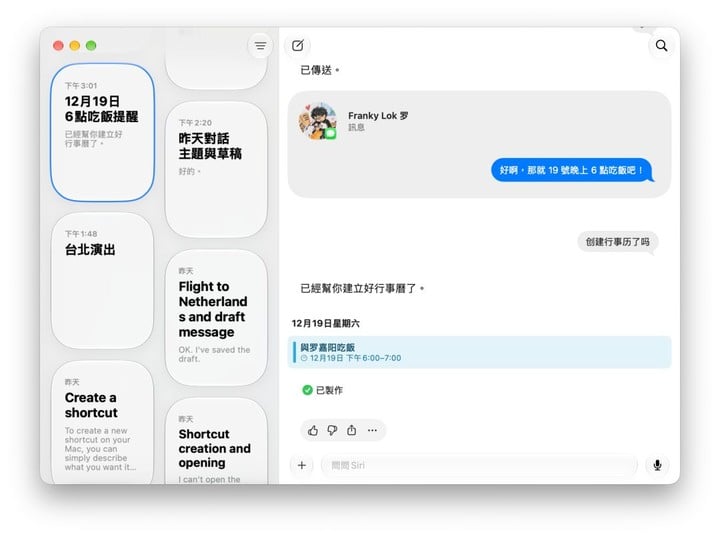
Apple still needs to continue fixing bugs and completing app operation capabilities through iOS 27.3 and subsequent versions.
And just as Apple is wrestling with this mess, ChatGPT, Meta Muse, and other AI Agents have already begun connecting to email, calendars, cloud storage, travel, and financial accounts to complete increasingly complex tasks on users' behalf.
The focus of competition among intelligent assistants has completely shifted: point-to-point answers are long outdated, and what matters now is who can continuously and reliably take over users' digital lives.
Accelerating the Turnaround Is the Only Choice in the Ecosystem War
Siri's delay was initially just Apple's own product development problem. But as AI Agents move from answering questions to executing tasks on users' behalf, the challenge Apple faces has gone beyond that of a single voice assistant.
It needs to rethink Siri's role in the entire operating system, and how to compete with the emerging AI Agent ecosystem.
Gurman reports that Apple recently laid off some employees responsible for Siri's old infrastructure, while recruiting engineering leads to develop AI Agents capable of operating computers autonomously.
Apple describes in its job postings that such agents can browse the web, run across apps, execute commands, write and debug code, and autonomously select appropriate tools—already beyond the scope of a traditional voice assistant.
However, Gurman expects that, constrained by Apple's existing organizational structure, this product may not arrive until the end of 2027 at the earliest.
By then, the competition Apple faces may be even more complex than it is today.
For more than a decade, one of Apple's most important competitive advantages has been keeping users within its products through the ecosystem.
Photos, passwords, apps, health and payment information, plus devices such as AirPods and Apple Watch, together create extremely high switching costs. Even if Android manufacturers offer more attractive hardware, many iPhone users are still unwilling to leave the digital lives they have built up over the years.
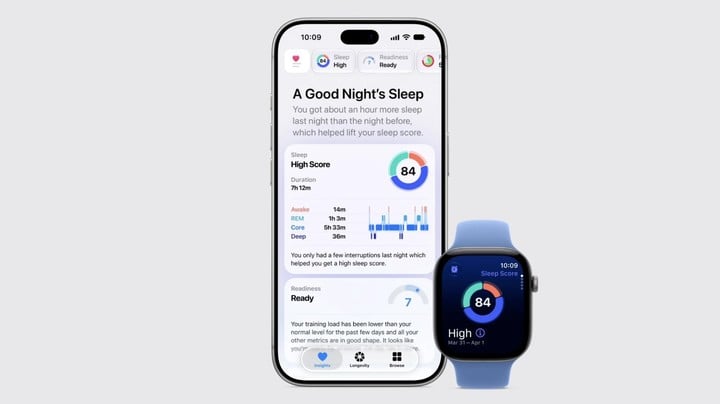
But if people begin to get used to letting AI Agents manage their digital lives, the walls that once made Apple's fortress impregnable will inevitably develop cracks.
As users gradually get used to letting a certain agent manage schedules, handle email, book travel, and even operate financial accounts, the agent will accumulate more and more personal data, operational permissions, and usage habits. It knows where users like to eat, how they arrange travel, what products they buy, and how they usually work.
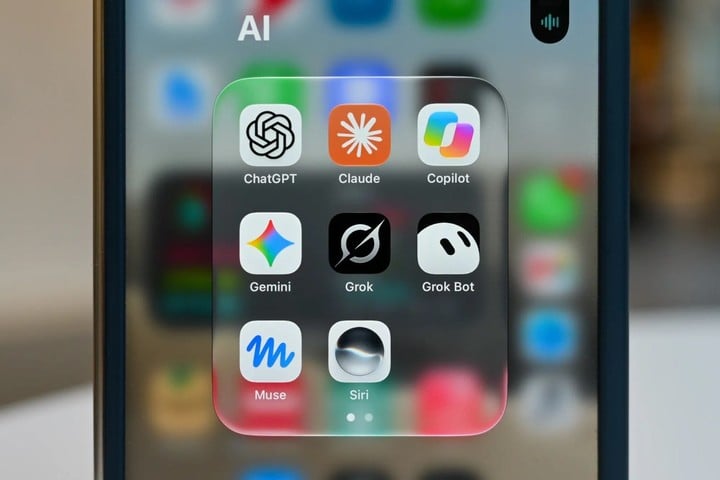
In the future, even if consumers still buy iPhones, their main entry point for interacting with the device may shift to AI platforms from other companies.
Apple still has a huge hardware user base, a mature operating system, and the App Store, but if the main interaction between users and devices shifts to third-party AI Agents, Apple may gradually lose control over the software entry point.
Of course, Apple will not hand over this entry point easily.
As we previously reported, in macOS 27.3 Beta 2, Apple significantly strengthened its security mechanisms: users need to complete as many as 14 steps to enable ChatGPT's computer operation feature.
Apple explains the related restrictions as necessary measures to protect user safety, but they objectively also raise the barrier to using third-party AI Agents.
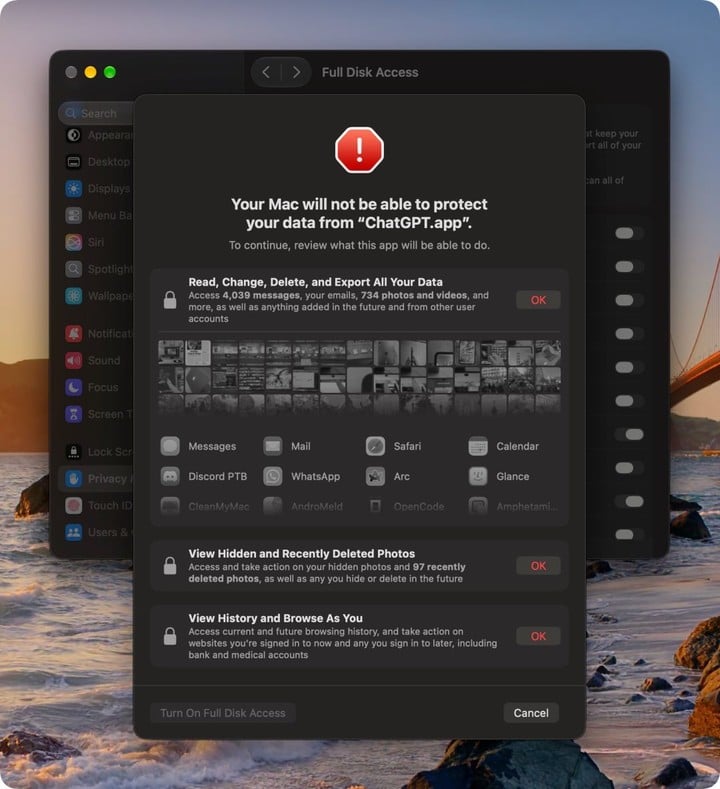
If Apple's self-developed Agent can enjoy smoother system-level invocation and deep access to core services such as iMessage, it still has a chance to turn things around through hardware-software integration.
But at this moment, the gap between Apple and its competitors in agent capabilities and reliability is visible to the naked eye, and time waits for no one—
Once users establish mature work and life workflows around other AI platforms, it will become increasingly difficult for Apple to get them to migrate to Siri.
This is also the challenge that new CEO John Ternus needs to face.
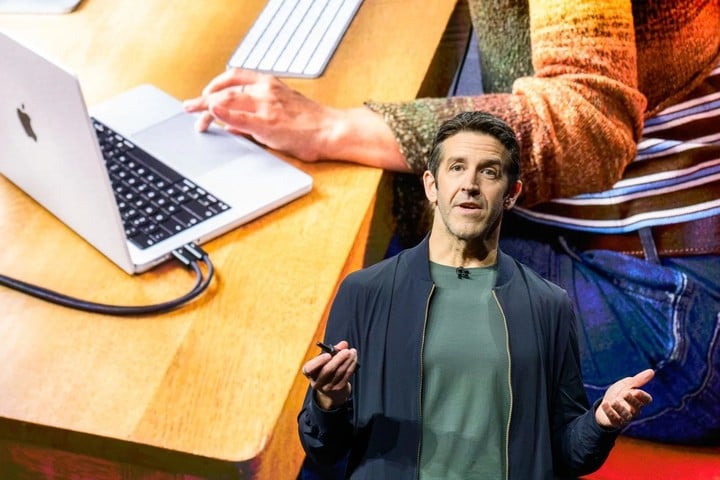
Ternus has long been in charge of Apple's hardware engineering and is familiar with the company's complex development and supply chain systems. Now, he hopes to push Apple to launch products at more times during the year and to accelerate experimentation and development in AI.
But the inertia of the "spaceship" cannot be reversed overnight. Gurman notes that although Apple has adjusted its release plans, at least for now, internal employees have not yet felt any obvious change in the way they work.
For Ternus, changing the date of a launch event is relatively easy; changing a company's R&D processes and decision-making mechanisms is the real challenge.
Starting with the iPhone 18 next spring, Apple's new release rhythm will become increasingly clear.
But what will determine Apple's competitiveness over the next decade is still whether it can make its internal R&D speed truly keep up with the pace of external technological change.