 Newshot
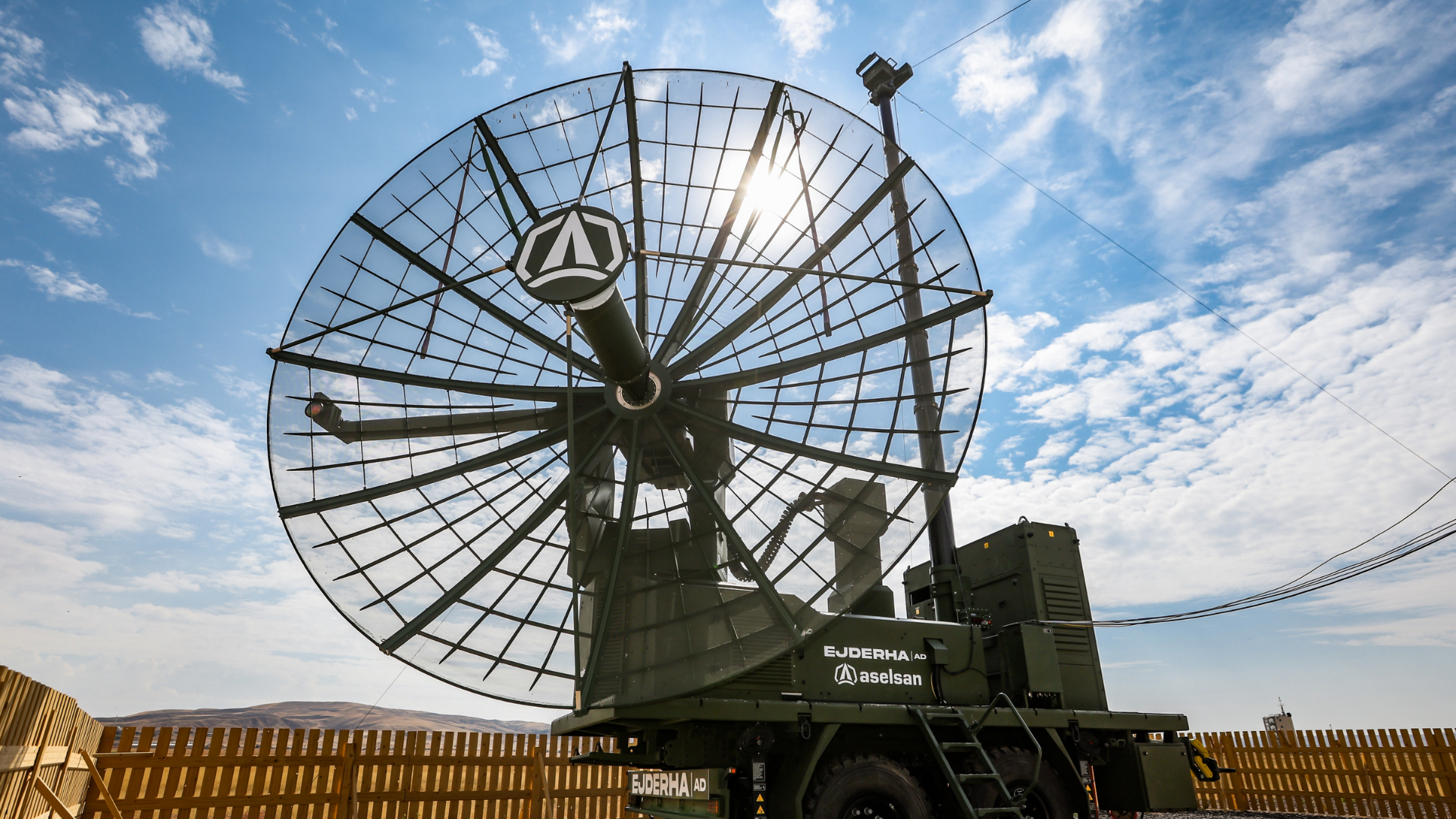
Drones have become a major menace on modern battlefields, which is why Turkish defense firm Aselsan has developed a potent solution to counter them. The company shared a YouTube video showing its Ejderha, which translates to “Dragon” in English Anti-Drone Countermeasure System taking down 51 drones simultaneously. The firm says that the device uses high-power electromagnetic (HPEM) waves and vacuum electronics to disable the electronic components on mini and micro drones.

- Intel VP Robert Hallock sets Nova Lake expectations, teases return to Raptor Lake for DDR4 platforms
- CPU scaling with DLSS
- Intel's one-two punch plan in desktop CPUs is taking shape
- Benchmarking AMD's BC-250, offering Steam Machine-like performance at half the price
- AMD splits Zen 7 into three EPYC families for 2028 and starts selling server CPUs by the agent
While drones and uncrewed aerial vehicles (UAVs) have been around for decades now, Russia’s 2022 escalation in Ukraine saw the first widespread use of small drones on the front line, some of which have been adapted from commercial models. Because of this, we’ve seen various innovations in drone technologies, including the deployment of fiber optic drones to defeat radio jamming, the use of an onboard camera looking at a magnetic compass as a backup for GPS navigation, as well as the introduction of jam-resistant strike drones and “flying modems” that relay signals from one drone to another to extend their strike range.
Many countries have started working on anti-drone defenses, too. Ukraine has erected mobile barriers with rotating barbed wire designed to cut the fiber-optic lines that jam-proof Russian drones rely on, while various companies in the U.S.—from established players like Lockheed Martin and Northrop Grumman to startups like Mara—have been working on both airborne and ground-based solutions. China has also unveiled a man-portable design that neutralizes drones in under four seconds at up to 1,600 feet away using a 2-kilowatt laser.
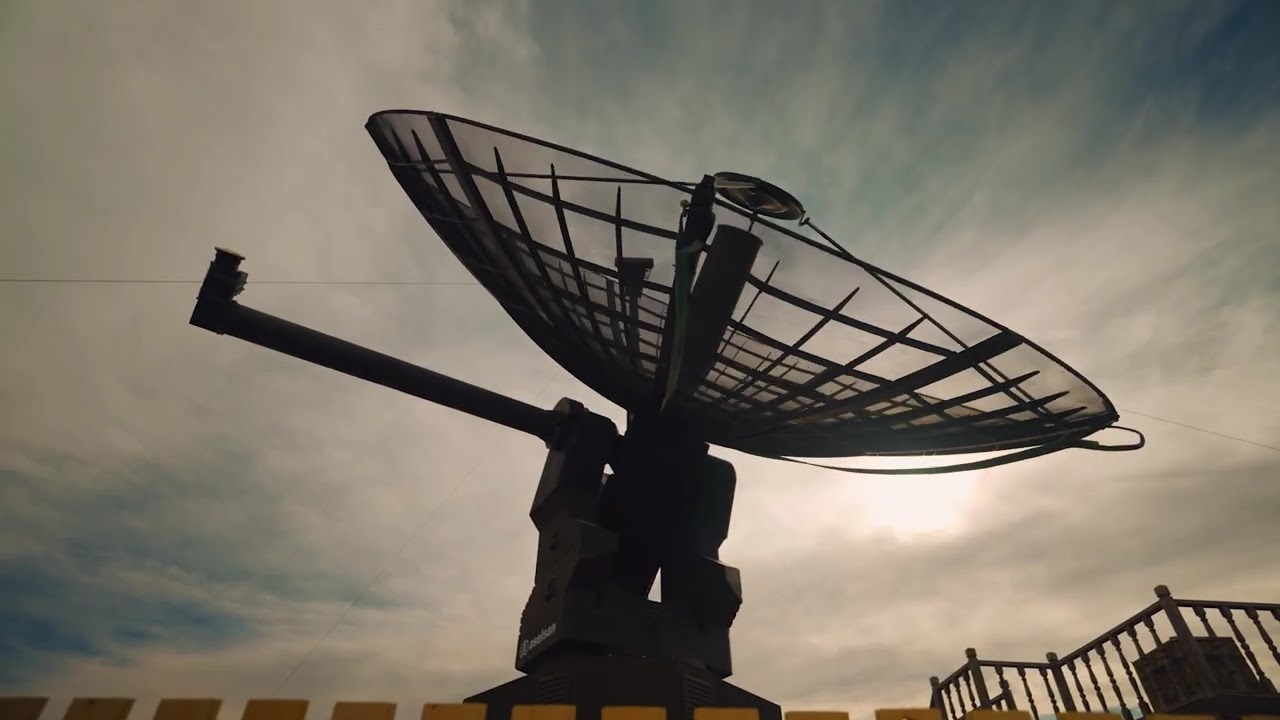
Before the invention of the transistor in 1947, electronic devices relied on vacuum tubes, which were invented in 1904 by British engineer John Ambrose Fleming. Today, most devices rely on semiconductors for their power efficiency, reliability, and computing density. But if you need to produce a microwave signal strong enough to overwhelm the electronic components inside a drone, vacuum electronics is still one of the most effective solutions (although some companies are experimenting with solid-state semiconductors, too).
The U.S. and the UK are also working on their own HPEM systems, with the former testing the Leonidas Autonomous Ground Vehicle (AGV) and the latter trialing the Radio Frequency Directed Energy Weapon (RFDEW).

Download the Tom's Hardware app for up-to-the-minute updates on iOS and Android. Also follow Tom's Hardware on Google News, or add us as a preferred source, to get our latest news, analysis, & reviews in your feeds.
Get Tom's Hardware's best news and in-depth reviews, straight to your inbox.

Jowi Morales is a tech enthusiast with years of experience working in the industry. He’s been writing with several tech publications since 2021, where he’s been interested in tech hardware and consumer electronics.