 Newshot
Article title: The First Year of AI Agents, Apple Is the Last Giant to Join
Body:
The First Year of AI Agents, Apple Is the Last Giant to Join
2026-11-20 09:17
Siri may finally be evolving from "talking" to "doing."
Asking Siri to check the weather, set an alarm, or open an app is nothing new. But if you ask it to arrange a business trip, find flights and hotels, and then organize the itinerary based on your calendar, you'll probably still have to do it yourself.
A series of recent moves by Apple reveal its ambition to change this situation.
In mid-November, two job postings related to autonomous AI Agents appeared on Apple's official website.
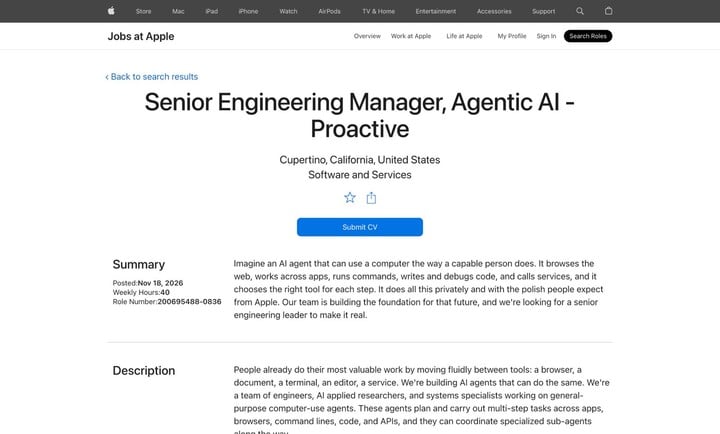
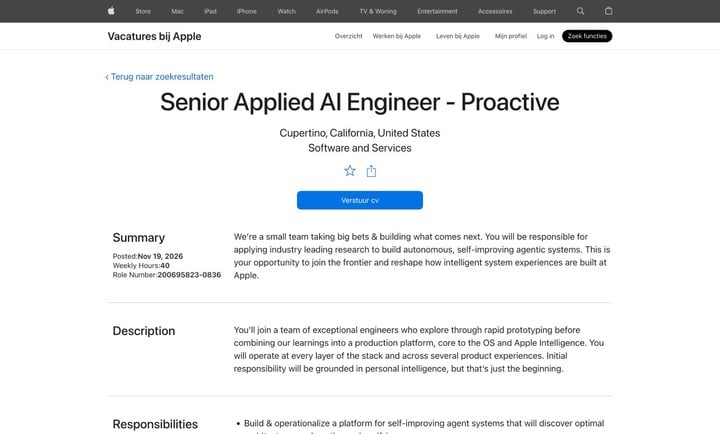
One describes an agent capable of operating a computer like a human, while the other even names Claude Code and Codex directly, requiring applicants to use these tools regularly.
According to Bloomberg, Apple is developing its own autonomous AI Agent, hoping to enable AI to execute tasks across apps and even plan workflows autonomously.

But looking at the industry as a whole, the capabilities Apple describes are nothing new.
Meta, OpenAI, Anthropic, as well as Tencent and ByteDance, are all pushing AI Agents into real work and life scenarios. Some products have already accumulated tens of millions of users and begun generating actual revenue.
For Apple, which has built a massive ecosystem on iPhone, Mac, and the App Store, this competition is likely hard to approach slowly.
Apple Is Finally Letting AI Do the Work Itself
How far exactly does Apple want AI to go? One passage in the job posting could almost serve directly as a product introduction.
Apple is looking for a senior engineering manager to lead the development of an AI assistant with proactive service capabilities. In the job description, Apple paints a vision of letting AI operate a computer like a human:
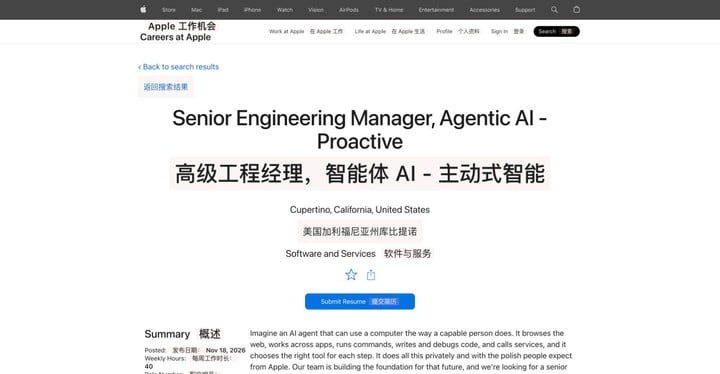
Imagine an AI Agent that can use a computer like a skilled human. It can browse the web, work across apps, run commands, write and debug code, call services, and choose the right tool for each step.
The job posting shows that Apple is developing a general-purpose computer operation agent system. It can switch between apps, browsers, command lines, code environments, and APIs, independently plan and execute multi-step tasks, and coordinate multiple specialized sub-agents working together.
Take a business trip as an example: the user only needs to say "help me arrange a business trip to Tokyo next week," and the AI can search flights, filter hotels, check the calendar, organize meeting schedules, and finally produce an itinerary proposal. Whether to check flights first or look at the calendar first, and which tools to call, are all left to its own judgment.
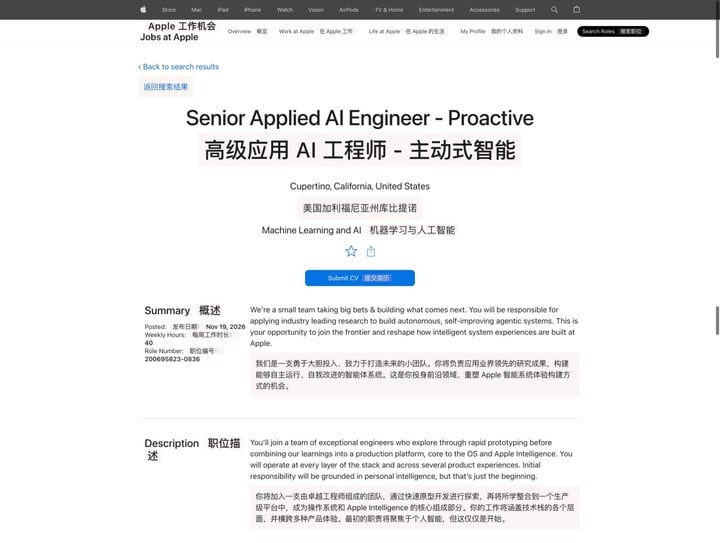
Another job posting focuses on continuous improvement of the agent.
Apple is looking for a senior applied AI engineer to build personal intelligence evaluation benchmarks, improve evaluation infrastructure, and use feedback mechanisms to continuously optimize the Agent's performance.
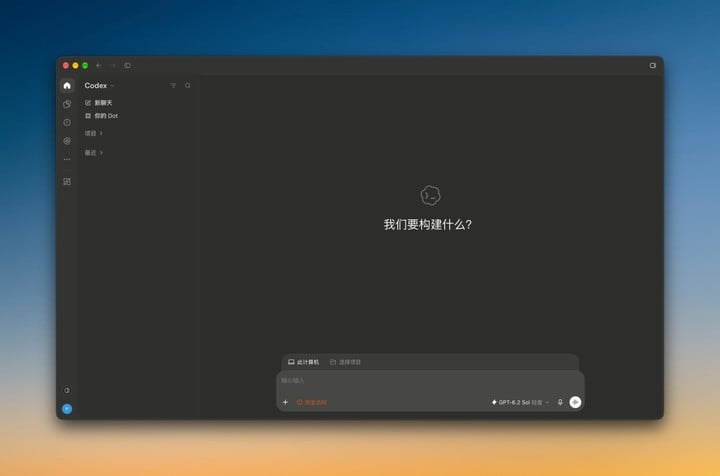
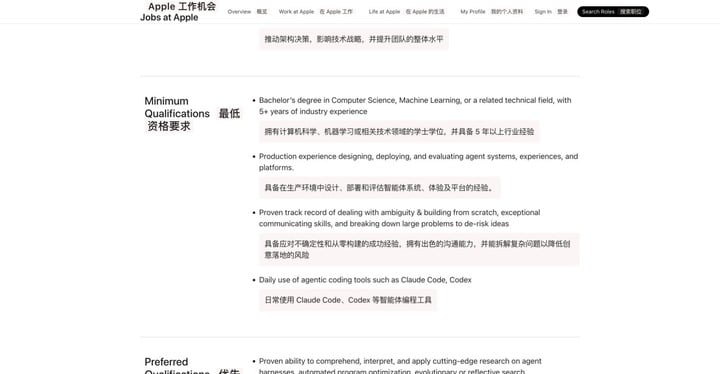
More interestingly, Apple names Claude Code and Codex directly in its requirements, even asking candidates to use such intelligent coding tools in their daily work.
Judging from these requirements, Apple is no longer satisfied with having AI answer questions and execute simple commands. It wants agents to find their own ways to complete tasks and become more reliable through continued use.
However, once files, accounts, and apps on a computer are handed over to AI to operate, trouble may follow.
If a user asks an Agent to organize old files on the computer, it might mistakenly delete important materials; if it can read emails and run code, how should its scope of permissions be limited? This is also why Apple repeatedly emphasizes privacy, security, sandbox isolation, and permission management in its job postings.

A recent macOS update happens to involve adjustments in this area as well.

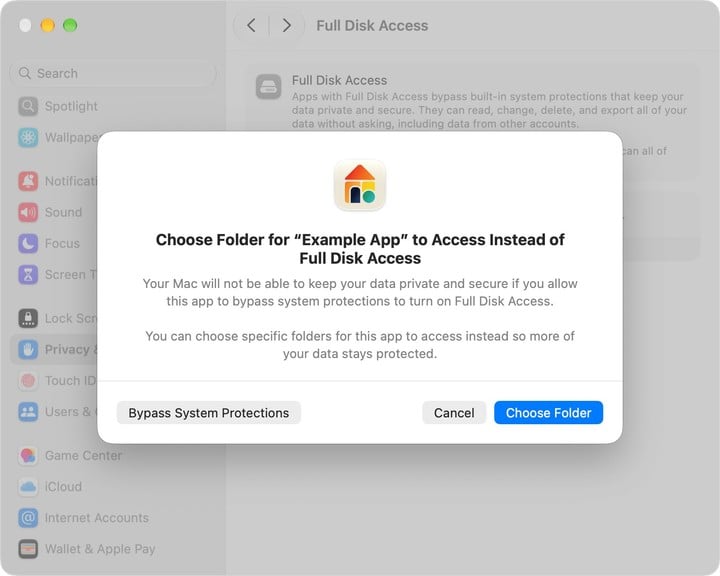
In macOS 27.3 Beta 2, Apple adjusted the authorization mechanism for device control and full disk access, splitting different types of system permissions into separate management and allowing users to grant authorization for specific apps and folders. The system will also provide a clear status indicator when an AI app controls other apps.
🔗 Related reading: Mac Tightens Permissions, Apple Starts Guarding Against AI
Users can more clearly know which permissions AI has obtained and what it is operating, and the way third-party Agents run on Mac will also be affected.

Image | macOS 27.3 menu bar showing a tool that is controlling other apps / 9to5Mac
Adjusting permission rules for third-party Agents on one hand while hiring people to develop its own agent on the other, Apple is clearly preparing for AI to deeply intervene in the operating system.
It must be capable enough to complete tasks, yet not allowed to freely access user data and devices—these two things must be solved together.
As for when it will be available, we'll probably have to wait a while longer.
According to Bloomberg, Apple had considered launching related products as early as the end of 2027, and development is still at an early stage.
In 2026, AI Agents Truly Entered the Mass Market
In 2023, ChatGPT gave ordinary users their first large-scale exposure to generative AI. Three years later, AI's capabilities are no longer confined to the chat window.
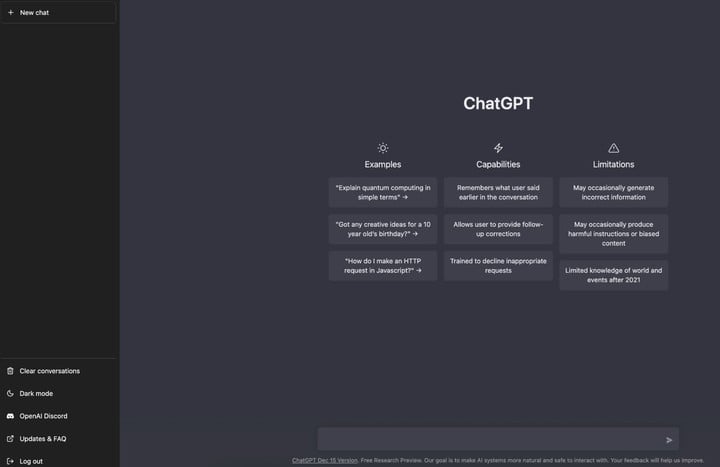
Image | The early ChatGPT interface
Having a model write a piece of code or analyze a document is no longer anything remarkable. What draws more attention is whether it can then run the code, fix it based on errors, or open the relevant apps and keep working on the task the user assigned.
Meta's Muse is one of the most closely watched consumer products this year. It can connect to users' digital accounts and devices to complete tasks such as travel planning, restaurant reservations, and information organization.
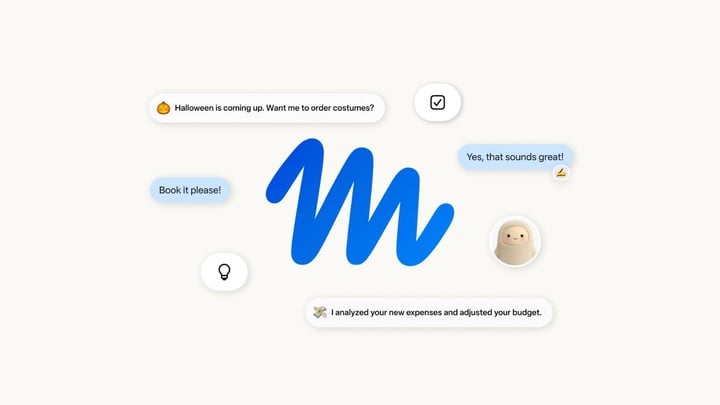
Image | Muse launch promotional image / Meta Newsroom
According to The Information in late September, citing Meta internal data, within weeks of Muse's launch, more than 3 million users were proactively sending it tasks each week, and more than 1 million users were proactively sending commands each day.
Meta later disclosed on its third-quarter earnings call that Muse had more than 10 million set-up users in the United States and Canada, about 25% of whom use Muse every day.
At the time, Muse had not yet launched globally, and having already built up such a user base was enough to make other tech companies take notice.

Image | Promotional image used when Meta announced Muse's launch in Australia / Meta Newsroom
At the end of September, OpenAI launched Dots. This is a personal AI Agent capable of continuous work; each Dot has its own cloud computer, can connect to more than 4,000 apps, and can follow up on user-assigned goals over the long term.
Users can have it research a project, organize materials, produce documents, or even continuously advance a software development task. Even if the user leaves temporarily, it can continue executing tasks in the background.
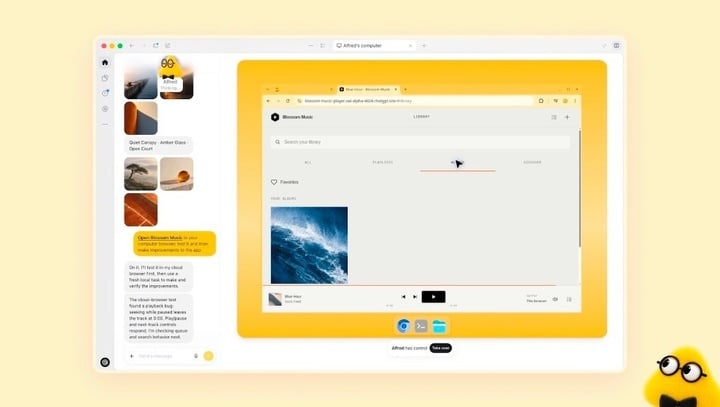
Image | The Dots interface demonstrated by OpenAI at DevDay / OpenAI
Anthropic, meanwhile, is entering the software development and general-purpose agent markets through Claude Code and Claude Duet, respectively.
At the start of the AI Agent era, Apple is the last major player to enter the market.
Among them, Claude Duet can proactively organize information users need to pay attention to, read authorized accounts, draft emails, schedule meetings, and continue processing tasks after the user leaves. It is currently available as a research preview.
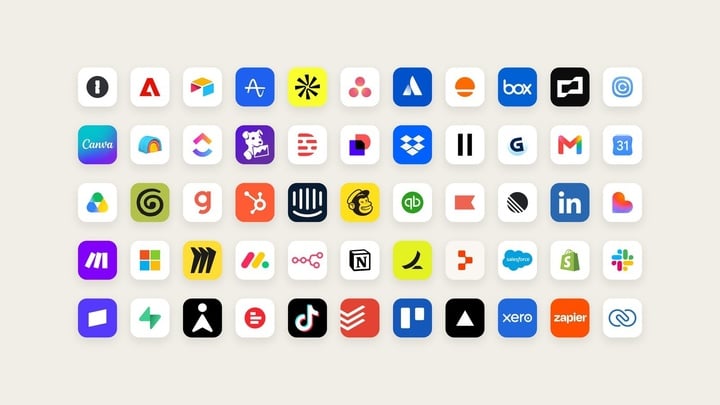
Image | Some of the apps and services Claude Duet can connect to / Anthropic
Muse, Dots, and Claude Duet each take different approaches, but they share one thing in common: they are beginning to have their own working environments, can connect to external services, and can continue processing tasks after the user leaves.
Compared with personal agents that are still competing for ordinary consumers, the software development and enterprise office markets have already shown clearer commercial returns.
Microsoft disclosed on its Q4 FY2026 earnings call that GitHub Copilot has reached 50 million users, and about one-third of Pull Requests on the GitHub platform involve AI Agents.
Meanwhile, paid seats for Microsoft 365 Copilot have exceeded 30 million, and Copilot business revenue grew more than 60% quarter over quarter.
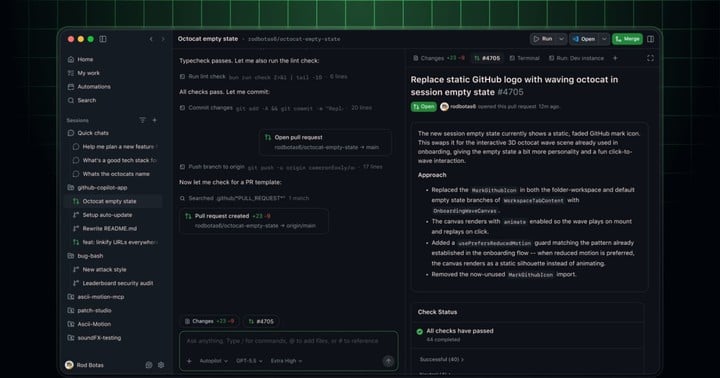
Image | The agent task interface on GitHub Copilot desktop / GitHub
Competition in the domestic market is also fierce.
On November 18, Tencent disclosed in its Q3 earnings report that WorkBuddy's daily active users have exceeded 10 million. Based on revenue over the most recent seven days, its annualized revenue run rate exceeds $500 million.
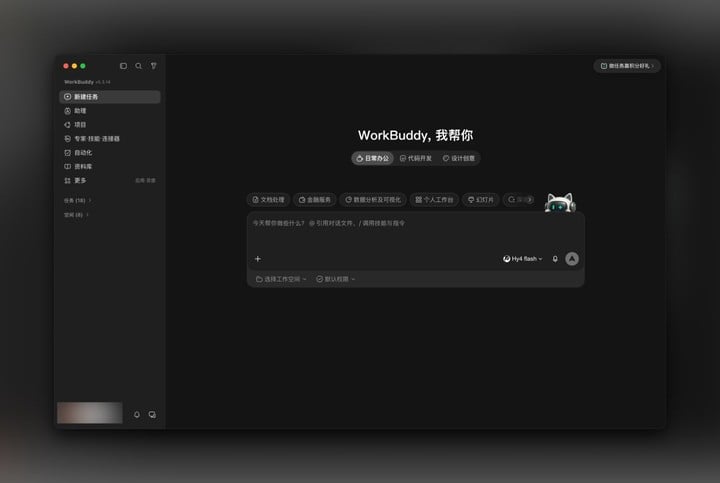
Doubao Work, owned by ByteDance, has also surpassed 8 million daily active users, with annual recurring revenue from enterprise customers exceeding 2 billion RMB.
Both Tencent and ByteDance are leveraging their respective office software, cloud services, and user ecosystems to push Agents into everyday work scenarios. Compared with cultivating user habits from scratch, existing enterprise customers and software entry points also make it easier for them to find real demand.
Looking at these products together, several different approaches have already emerged in the market. Meta, OpenAI, and Anthropic want AI to handle more personal affairs; Microsoft puts agents into software development and enterprise office workflows; Tencent and ByteDance use their existing businesses to find growth space.
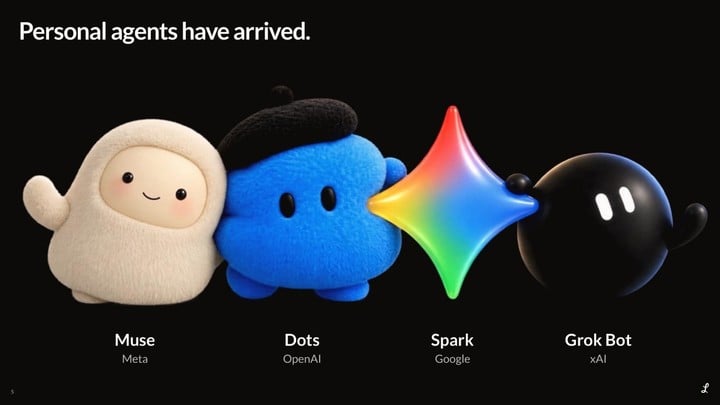
Whoever can most conveniently receive user needs and then mobilize various tools to get things done will have a better chance of becoming the AI product users open first.
The capital investment behind this competition is equally staggering.
Meta's Q3 2026 revenue reached $64.6 billion, up 26% year over year, while capital expenditure during the same period reached $34.9 billion. Large-scale AI infrastructure investment has become one of Meta's most important strategic expenditures.
Anthropic has just completed its initial public offering (IPO), listing on Nasdaq at $83 per share, with an offering price corresponding to a valuation of about $1.5 trillion.

Image | Anthropic co-founders attend the Nasdaq opening bell ceremony / Associated Press
Investment in AI infrastructure is still increasing, and the capital market is willing to give high valuations to leading AI companies. More importantly, Agent products have begun to show user scale, usage frequency, and commercial revenue, proving they have a chance to become a long-term business.
What Apple needs to catch up with is already a market with tens of millions of users, real commercial revenue, and massive capital investment.
The battle for the next-generation computing entry point: Apple cannot afford to lose
Of course, Apple does not lack users, nor does it lack money.
According to the latest Q4 FY2026 earnings report, Apple's quarterly revenue reached $114.5 billion, up 12% year over year; full-year revenue reached $478.8 billion, setting another all-time high.
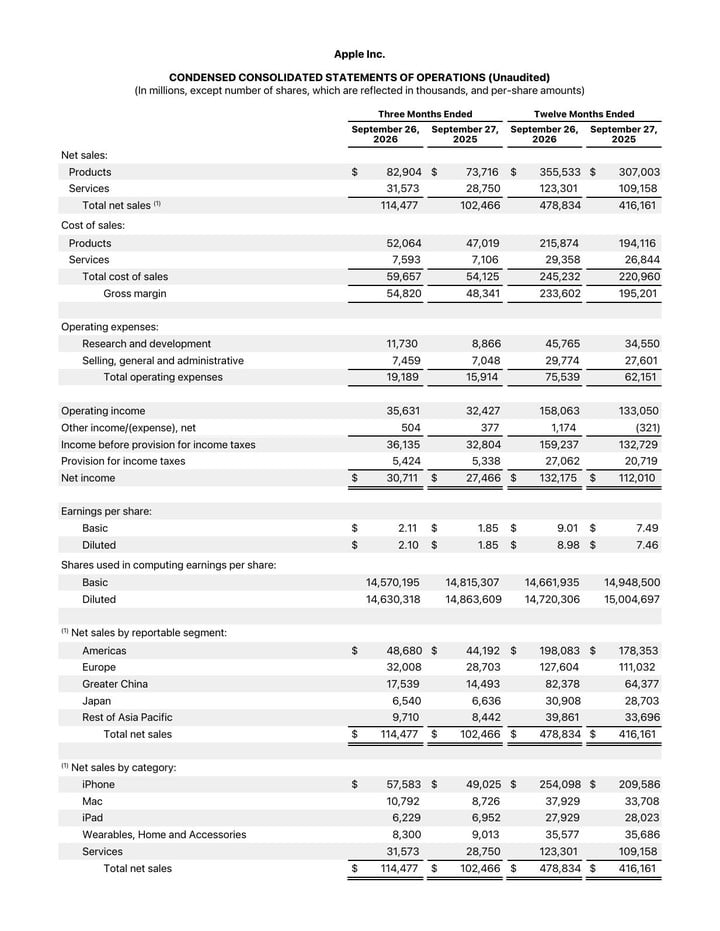
Image | Apple's Q4 FY2026 financial statement / Apple Newsroom
Among this, services business quarterly revenue reached $31.573 billion, also a record. Apple's active device installed base also reached an all-time high across all major product categories and regions.
But these achievements cannot guarantee that Apple will continue to take the initiative in the next round of AI competition.
Apple spent more than a decade building an ecosystem that revolves around iPhone, Mac, iPad, operating systems, and the App Store. Users open a device, find the app they need, and then use apps to complete shopping, work, socializing, and entertainment.
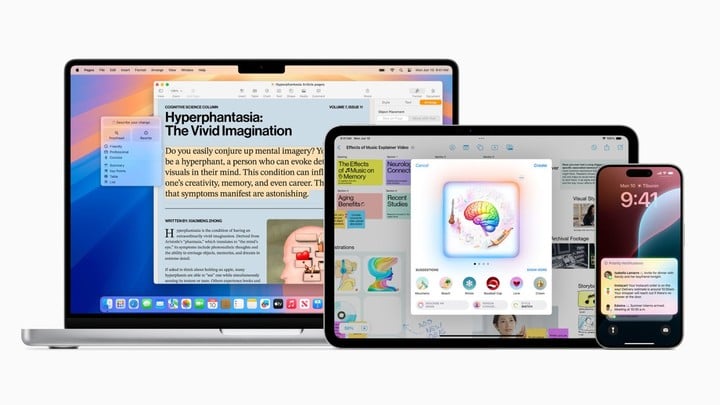
The operating system manages apps, apps provide services, and users decide which one to open and how to operate it. Apple, through hardware-software integration and the App Store distribution system, controls the key links in this ecosystem.
AI Agents may make some of these operations unnecessary.
For example, if a user wants to book a flight to Beijing tomorrow, they can simply tell AI the departure time and budget, and it can search for flights, compare prices, filter options, and complete the booking.
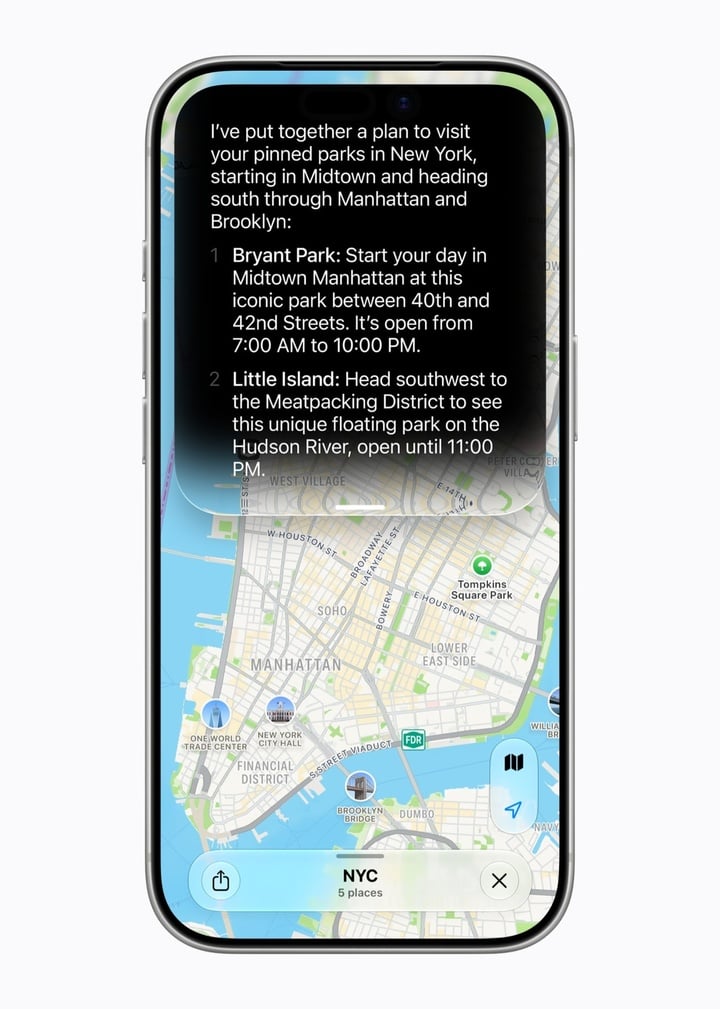
Image | Siri AI Q&A / Apple Newsroom
Airlines, booking platforms, and payment services still exist, but users do not necessarily need to open their apps themselves. Operations originally scattered across multiple apps can be completed uniformly by a single agent.
If users become accustomed to handling daily affairs through ChatGPT, Claude, or other third-party Agents, Apple may lose part of its control over the user interaction entry point.
Whoever controls the entry point for user needs has the opportunity to decide how users use the entire digital ecosystem.
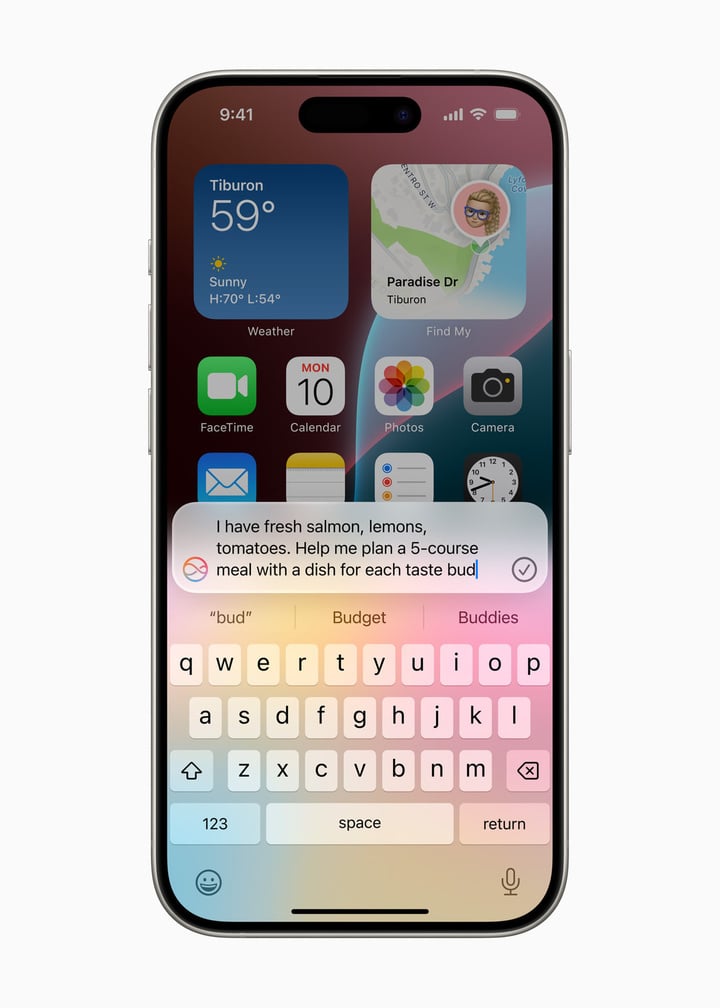
Image | Siri and ChatGPT integration demonstrated by Apple / Apple Newsroom
However, Apple also holds many good cards.
Its massive device base, unified operating system architecture, and personal data that can be accessed after user authorization all have the opportunity to become advantages for developing AI Agents.
Third-party agents that want to operate devices often need to request system permissions and then connect to different apps and services. If Apple deeply integrates Agents into the operating system, it will have the opportunity to more conveniently invoke device functions and complete tasks by combining schedules, location, and device status.
This integration capability may be even more valuable on future new hardware.
Take smart glasses as an example. They do not have a large screen suitable for complex operations, nor are they convenient for users to touch for long periods. If a user is walking on the street and wants to find a nearby quiet café with power outlets, the ideal experience is to directly make the request to the glasses, let AI filter locations based on location and preferences, and then start navigation.
The entire process does not require taking out a phone, nor does it require opening map, review, and navigation apps one by one.

Back at home, AI also has the opportunity to take over more trivial operations.
Most current smart home assistants rely on preset commands. Users can ask them to turn on lights, play music, or adjust the air conditioner, but if they are asked to coordinate different devices and external services based on family members' schedules, that is not so easy.
If future HomePod or HomeView can understand family members' schedules, device status, and living habits, and then proactively coordinate home appliances and external services, home AI will have the opportunity to move from passively responding to voice commands to an intelligent assistant capable of independently judging needs, planning tasks, and taking action.
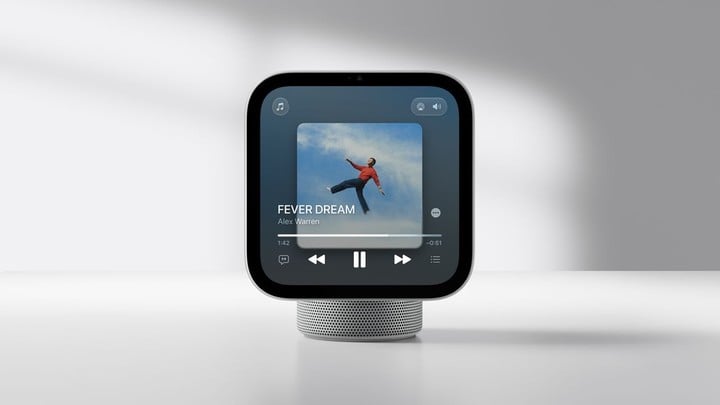
Smart glasses, home devices, and new forms of wearable products that may appear in the future will all find it difficult to copy the touchscreen operation method on phones. AI that can understand user needs and invoke different services may become one of the most important interaction methods for these devices.
Apple has already tried to let Siri take on more operational tasks on existing devices.
The iOS 27.3 developer beta opened up third-party app access for Siri AI, allowing developers to integrate their app functions into Siri. Apple is also continuously strengthening Siri's ability to operate system apps.
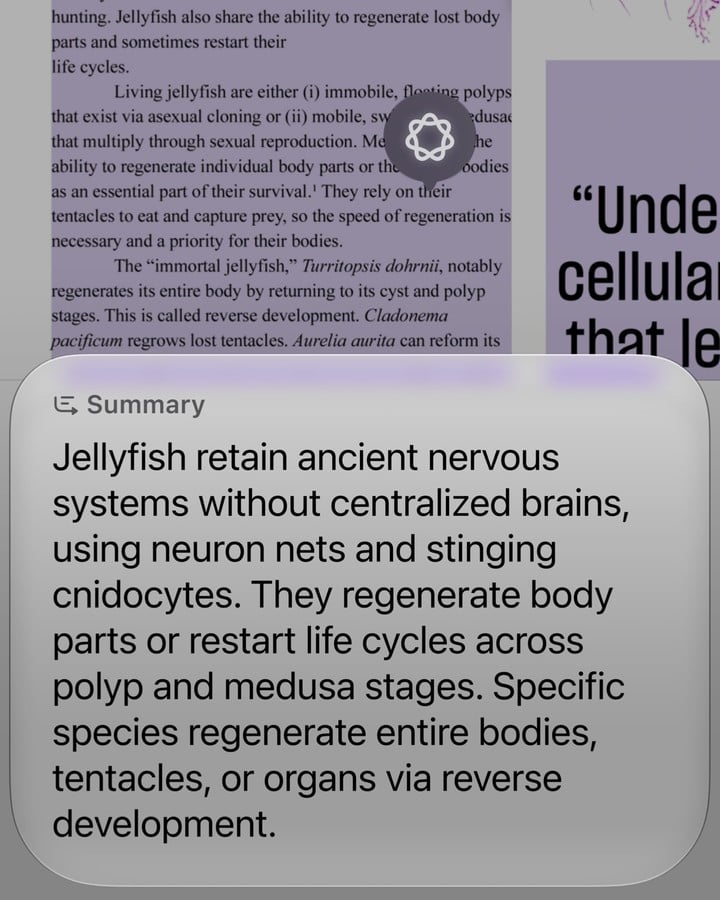
Image | Demonstration of Siri AI screen awareness feature / Apple Newsroom
However, being able to execute more commands is still some distance away from truly independently completing complex tasks. Getting Siri to continuously track a goal, independently decide what to do next, and even continue advancing tasks without repeated reminders from the user remains a problem Apple needs to solve.
Article title: The Year of AI Agents: Apple Is the Last Giant to Join
Body: Apple's management also seems unwilling to wait any longer.
According to Bloomberg, new CEO John Ternus pressured software engineering chief Craig Federighi at a closed-door meeting, demanding faster software development progress, moving beyond routine Siri feature updates as quickly as possible, and adopting a more aggressive AI strategy.
Image | Apple CEO John Ternus / Apple Newsroom
From the launch of Apple Intelligence in 2024 to the rollout of the all-new Siri AI in 2026, Apple took more than two years to gradually integrate generative AI into its operating system. Competitors, meanwhile, have already begun letting agents take on real work, and Apple's development pace clearly needs to accelerate.
And there is another notable detail in this job posting: Apple's AI Agent may not necessarily appear as a standalone app.
The job posting shows that this capability will be developed in coordination with the Siri, UI framework, and Apple Foundation Models teams. Another job posting states even more explicitly that the related technology will become a core platform capability of the operating system and Apple Intelligence.
Image | Type-to-Siri demo at the 2024 Apple Intelligence launch / Apple Newsroom
If development follows this direction, Siri in the future may simply be one interface through which users interact with AI Agents.
On Mac, users can use text to have AI handle complex work; on iPhone, users can use voice to complete cross-app tasks; on smart glasses and home devices, AI may become the primary mode of interaction.
The same set of agent capabilities can extend across different devices, completing tasks by combining each device's hardware characteristics and personal context.
Ecosystem integration across multiple devices has always been Apple's moat. The addition of AI Agents is expected to further leverage the advantages of this ecosystem, so that iPhone, Mac, and home devices are no longer limited to passing information to one another, but can also collaboratively plan and execute complex tasks.
Of course, how far this capability can ultimately go will depend on whether Apple can get models to reliably complete complex tasks, handle cross-app permissions properly, and provide a consistent experience across different devices.
Apple once redefined the phone through multi-touch, built the mobile internet software ecosystem through the App Store, and regained control of the Mac's core computing platform through Apple Silicon.
Image | Siri AI visual intelligence demo on Apple Vision Pro / Apple Newsroom
The emergence of AI Agents raises a new question for Apple: when users no longer need to open apps and operate software themselves, what will iPhone, Mac, and future new devices rely on to retain users?
Apple can launch products later, but it cannot miss the formation of the next-generation computing entrance.