 Newshot
This is a crosspost from my Substack.
Imagine a world where everyone is healthy, intelligent, long living and happy. Intuitively this seems wonderful, albeit unrealistic. However, recent scientific developments in genetic engineering, namely CRISPR/Cas bring the question into public discourse, how the genetic enhancement of humans should be evaluated morally.From my article “Procreative Beneficence and Genetic Enhancement” (2018, p. 75)
Imagine a world where everyone is healthy, intelligent, long living and happy. Intuitively this seems wonderful, albeit unrealistic. However, recent scientific developments in genetic engineering, namely CRISPR/Cas bring the question into public discourse, how the genetic enhancement of humans should be evaluated morally.
From my article “Procreative Beneficence and Genetic Enhancement” (2018, p. 75)
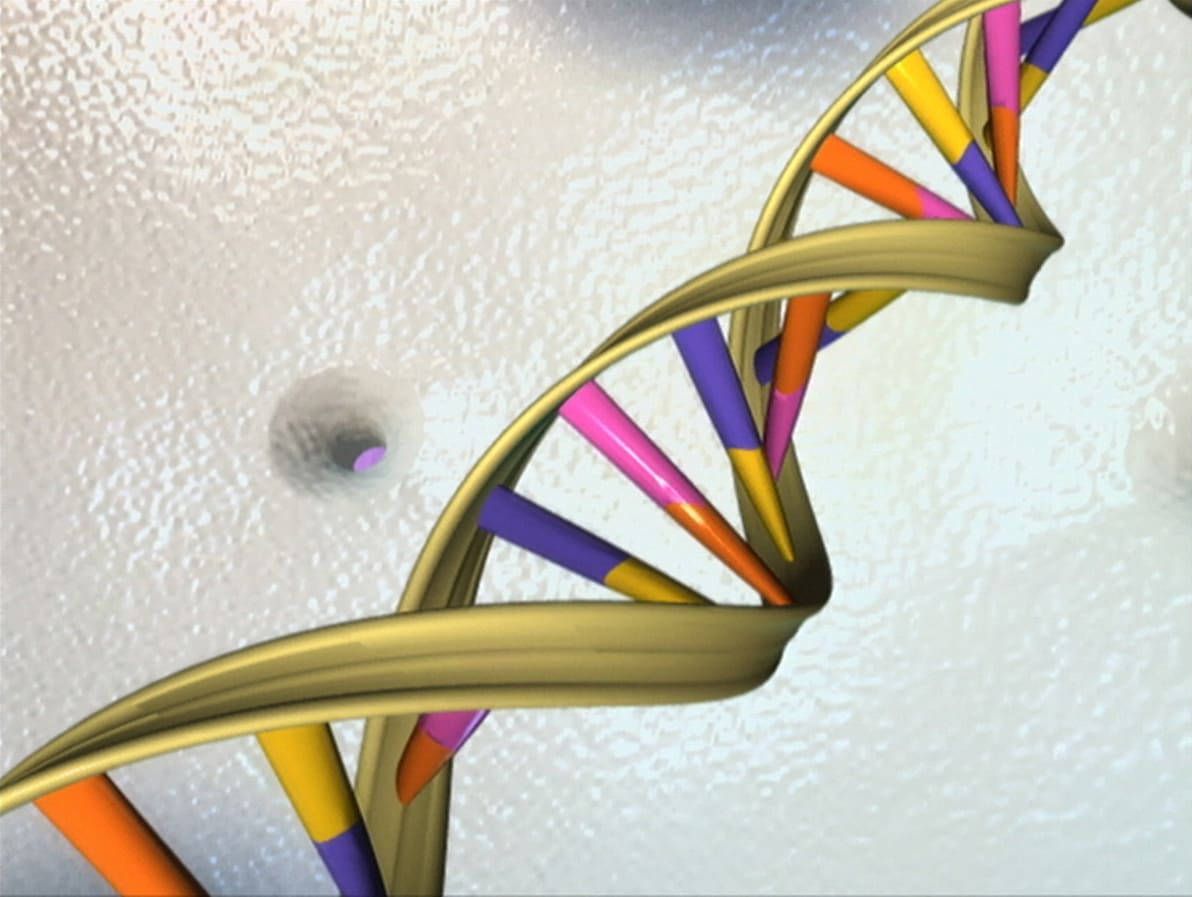
In 2018, a Chinese doctor was highly criticised for using CRISPR on two twin girls.
Procreative Beneficence
Interestingly, a similar debate unfolded in 2001, when in vitro fertilisation (IVF) and preimplantation genetic diagnosis (PGD) enabled parents to choose between multiple ‘artificially’ created embryos. Julian Savulescu, a bioethicist at Oxford, introduced the ‘Principle of Procreative Beneficence’ (PPB) arguing that parents are, in fact, obligated to choose among these embryos the one that is expected to have the best life.[1] The article containing this argument has become one of the most cited in the literature and has caused much controversy, especially among religious communities and disability rights activists.
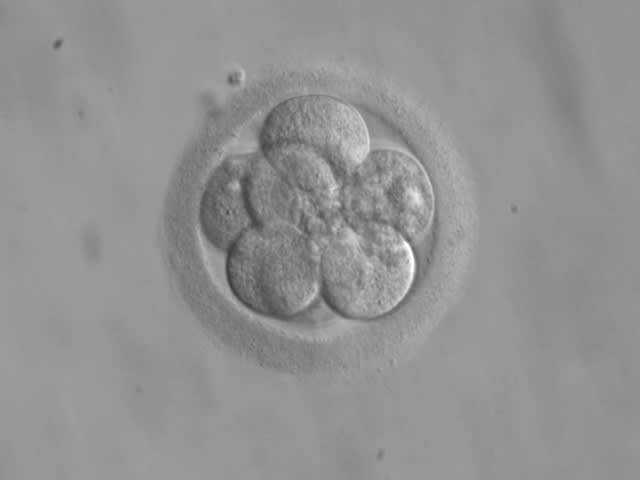
Some countries, such as Germany, even banned the creation of multiple embryos, eliminating the choice problem parents could be faced with. While religious communities argued that such a choice does not respect human dignity and the value of each human being, disability rights advocates argued that this would lead to discrimination, suggesting that humans born with genetic defects are worth less than others. Naturally, this raised unwelcome associations with the Nazi eugenics programme, where people with disabilities were sterilised against their will. In future essays, I deal with a variety of their objections to enhancement technologies.
Here is a short interview between me and a geneticist on genetic engineering:
What Is Enhancement?
Proponents of genetic engineering, however, have very distinct goals in mind that can only under quite uncharitable interpretations be grouped together with the goals of ‘Nazi Eugenics’. The primary goal is simply to improve, i.e. enhance the lives of individuals. Three researchers at Oxford jointly proposed the following definition for human enhancement: “[a]ny change in the biology or psychology of a person which increases the chances of leading a good life in the relevant set of circumstances.”[2] This idea, however, is far from revolutionary.
Helicopter Parents
In fact, such enhancements are already more than common as recent debates on the more and more prevalent nature of so-called ‘helicopter parents’ show. These parents are often criticised for taking any means for ensuring what they believe will increase the chances of their children to live the best possible life. This criticism, however, is mostly based on parental interventions that, in fact, do not improve the lives of their children. The most extreme form of this is, perhaps, the 2019 scandal in which rich parents in the USA paid exorbitant amounts of money to get their children into top universities of the US, only to get them kicked out once this fraud had been revealed.
But can we really blame parents solely for doing what they perceive to be in the best interest of their children?
I suggest that there is nothing intrinsically wrong with this goal itself. Rather, our moral outrage is explained by the breaking of other norms (and laws!) that conflict with the understandable goal of parents to ensure the best possible life for their children. We can empathise with this justification, while still punishing them on grounds of breaking other norms. Similarly, proponents of genetic enhancement need not ignore the threat of discrimination and unequal access to such technologies.
Should We Edit the Human Genome?
An Unproblematic Eugenics
We need to recognise that an unproblematic form of ‘eugenics’ (Greek for ‘good birth’) is already common and widely practised. Technologies that enable genetic diagnosis are not uncommon and a high percentage of parents who have their prospective child diagnosed with genetic disorders choose to abort their embryo.

Though some criticise this practice, it is unfair to accuse these parents of disrespecting ‘human dignity’ or to attribute to them an intention to discriminate against people with disabilities and diseases. There is nothing incoherent about being a disability rights advocate while favouring genetic enhancement. In fact, virtually all proponents of genetic engineering in academia are also concerned with the unequal treatment of people with disabilities.
Hence, I argue that parents should genetically enhance their children, just as they should ensure that they receive education and other means to ensure that they have the best start in life. It is just one means among many that could improve the lives of those we care most about. Many opponents of genetic engineering have come up with differences purporting to show that there is something inherently wrong with these sorts of enhancement. In the next essay of this series, I treat the ‘Threat of Inequality’, the worry of creating a new two-class society:
The Inequality Objection to Human Enhancement
A more technical treatment of these issues with a more detailed analysis is offered in my academic work.[3]
Dive Deeper
Further Readings
Cognitive Enhancement and the Threat of Inequality
Recognizing the Diversity of Cognitive Enhancements
Videos
This article was originally published as: Veit, Walter. (2019). Should parents genetically engineer their children? Psychology Today. https://www.psychologytoday.com/us/blog/science-and-philosophy/201904/should-parents-genetically-engineer-their-children
- ^Savulescu, J. (2001). Procreative beneficence: Why we should select the best children. Bioethics, 15(5–6), 413–426. https://doi.org/10.1111/1467-8519.00251
- ^Savulescu, J., Sandberg, A., & Kahane, G. (2011). Well-being and enhancement. In J. Savulescu, R. ter Meulen & G. Kahane (Eds.), Enhancing Human Capacities (pp. 3–18). Oxford: Wiley-Blackwell, p. 7.
- ^Veit, W. (2018). Procreative beneficence and genetic enhancement. Kriterion – Journal of Philosophy, 32(1), 75–92. [Download]; Veit, W. (2018). Cognitive enhancement and the threat of inequality. Journal of Cognitive Enhancement, 2, 404–410. https://doi.org/10.1007/s41465-018-0108-x [Download]; Veit, W. (2018). Enhancement technologies and inequality. In Proceedings of the IX Congress of the Spanish Society for Logic, Methodology and Philosophy of Science. [Download]